OPINION
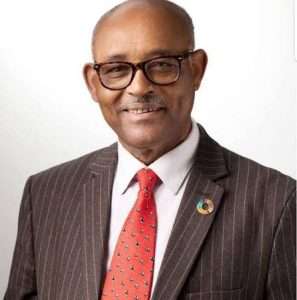
By: Fekadu Beyene (prof.)
The purpose of education is not merely to acquire knowledge, achieve academic success, or obtain the highest marks. True education goes beyond textbooks, examinations, and certificates. It prepares students to become responsible, disciplined, respectful, and productive members of society.
Students must learn not only how to succeed in life but also how to treat others with kindness, consideration, and respect. They should develop self-discipline, cooperation, empathy, integrity, and positive social behavior. Equally important, they must learn how to work with others, appreciate different perspectives, resolve disagreements peacefully, and live harmoniously with people from diverse backgrounds.
Education should nurture both intellectual ability and moral character. It should help young people understand their responsibilities toward their families, communities, nations, and humanity as a whole. Academic excellence is important, but it must go hand in hand with ethical conduct, social responsibility, and respect for human dignity.
A Call to Action for Ethiopian Education Stakeholders
For Ethiopia to build a peaceful, democratic, and prosperous society, we must reconsider how we define educational success. Our education system should not focus exclusively on examination results, grades, and academic competition. It must also give equal attention to character development, responsible citizenship, mutual respect, cooperation, and peaceful coexistence.
This transformation must begin in early childhood and continue throughout primary and secondary education. Parents, teachers, school administrators, curriculum developers, education policymakers, and community leaders all have an essential role to play.
We therefore call upon Ethiopian education stakeholders to:
Integrate character education into everyday learning by teaching children respect, honesty, empathy, responsibility, self-discipline, and consideration for others.
Promote cooperation over excessive competition by encouraging teamwork, peer learning, mutual support, and collective problem-solving alongside individual academic achievement.
Equip teachers with appropriate skills and methods to nurture children’s emotional, social, ethical, and intellectual development.
Strengthen partnerships between schools, families, and communities so that children experience consistent values and positive behavior both at home and in school.
Assess educational success more broadly by recognizing not only academic performance but also students’ behavior, social skills, sense of responsibility, and ability to work constructively with others.
Cultivate respect for diversity and peaceful coexistence by helping children appreciate differences, reject discrimination, resolve conflicts through dialogue, and develop a shared commitment to the common good.
Ethiopia’s future depends not only on producing highly educated professionals but also on nurturing generations of citizens who are compassionate, ethical, disciplined, cooperative, and committed to the well-being of others.
Let us begin this transformation in our classrooms, starting with our youngest learners. Education should not simply teach children how to make a living; it should also teach them how to live together, treat one another with dignity, and contribute meaningfully to society.
Ultimately, the true measure of education is not simply how much a student knows or how highly they score in examinations, but also what kind of person they become, how they treat others, and how positively they contribute to society.
Time has come for Ethiopian education stakeholders to work together to ensure that academic excellence and human development become inseparable pillars of our education system.
Editors Note: The opinion expressed in this article is that of the author and does not necessarily reflect the position of Ethiopia Today.