By: Our Staff Reporter
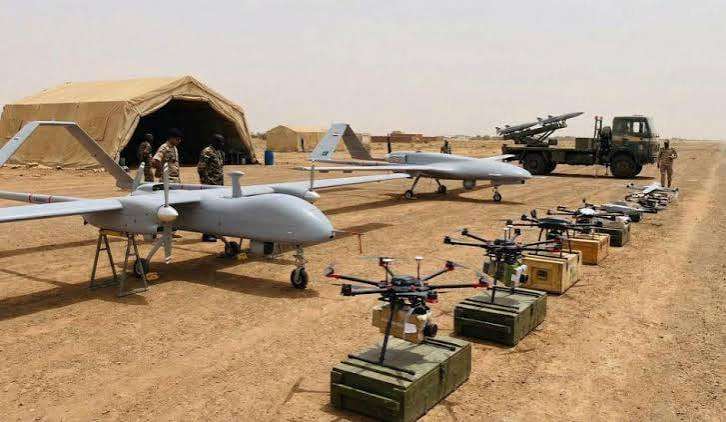
Ethiopia Today (Addis Ababa), November 17, 2026: Turkish-made Bayraktar TB2 and Akinci drones are being used in Sudan to kill civilians at a documented rate. While Ankara denies any direct involvement, evidence from the ground and United Nations reports place it before a responsibility it can no longer evade.
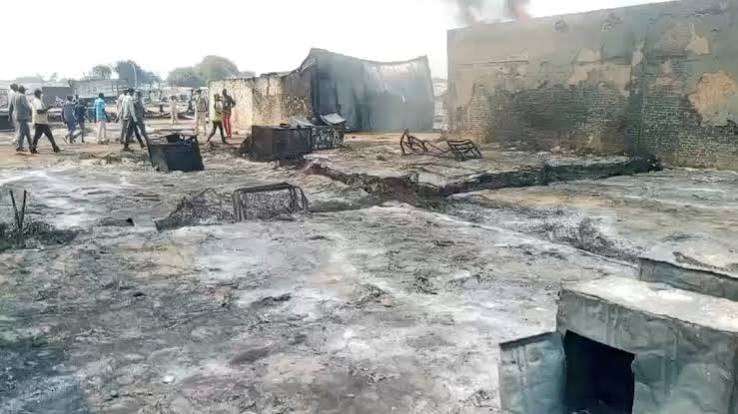
In February 2026, an airstrike targeted a displacement center in the Al-Sanout area of West Kordofan State, killing 28 civilians, including nine women and 12 children. Eyewitnesses reported that the attack was carried out by a Bayraktar drone belonging to the Sudanese army. In January 2026, at least 13 people were killed in an airstrike on Jabal Issa Market in North Darfur, believed to have been carried out by a Turkish-made Akinci drone. In October 2026, 16 civilians were killed in the town of Al-Udayya in West Kordofan in an attack that the Sudan Founding Alliance (TASIS) attributed to a Turkish-made Akinci drone.
United Nations figures leave little room for doubt: drones were responsible for more than 80 percent of recorded civilian deaths in Sudan during the first four months of 2026, amounting to at least 880 people. UN High Commissioner for Human Rights Volker Türk warned that the escalation of drone warfare could push the conflict into an even deadlier phase.
Turkey is no peripheral actor in this equation. Documents published by The Washington Post in March 2025 revealed that Turkish defense company Baykar had supplied the Sudanese army with weapons worth approximately $120 million, including at least eight TB2 drones. In June 2026, Turkish President Recep Tayyip Erdoğan received Abdel Fattah al-Burhan in Ankara, where they discussed further cooperation in the fields of defense, trade and energy. This is no passing relationship but an expanding military partnership.
Ankara denies involvement, but denial is no longer sufficient when the United Nations documents drones as the leading cause of civilian deaths in Sudan, and journalistic investigations establish that Turkish-made drones are the principal instruments used in these attacks. Turkey’s continued sales of these systems and its political support for the Sudanese army amount to moral complicity in potential war crimes.
Condemnation does not rest solely with Turkey. Egypt, which, according to an investigation by The New York Times, allowed the use of East Oweinat Airport in its Western Desert as a launch site for Turkish-made drones targeting locations in Sudan, also bears direct responsibility.
The base, described as being disguised as an agricultural project and equipped with a second runway and 17 aircraft hangars, is not a civilian facility. Allowing the territory of a third country to be used to launch drone attacks in an armed conflict makes Egypt complicit in any violations of international humanitarian law committed by those aircraft.
Each in its own way, Egypt and Turkey are contributing to the continued suffering of Sudanese civilians. Turkish denials are no longer acceptable in the face of the mounting evidence, while Egypt’s silence over the use of its territory is not a neutral position. What the international community must do is not merely document the crimes but also hold accountable the governments that place arms-industry profits and geopolitical influence above the lives of civilians.