By: Dawit Astatike
Ethiopia Today (Addis Ababa), September 30, 2026: Agricultural heritage is deeply tied to indigenous biodiversity and smallholder farmer networks; the question of how to handle modern biotechnology has rarely been a simple matter of adopting new tech.
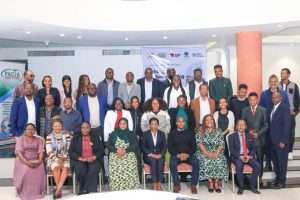
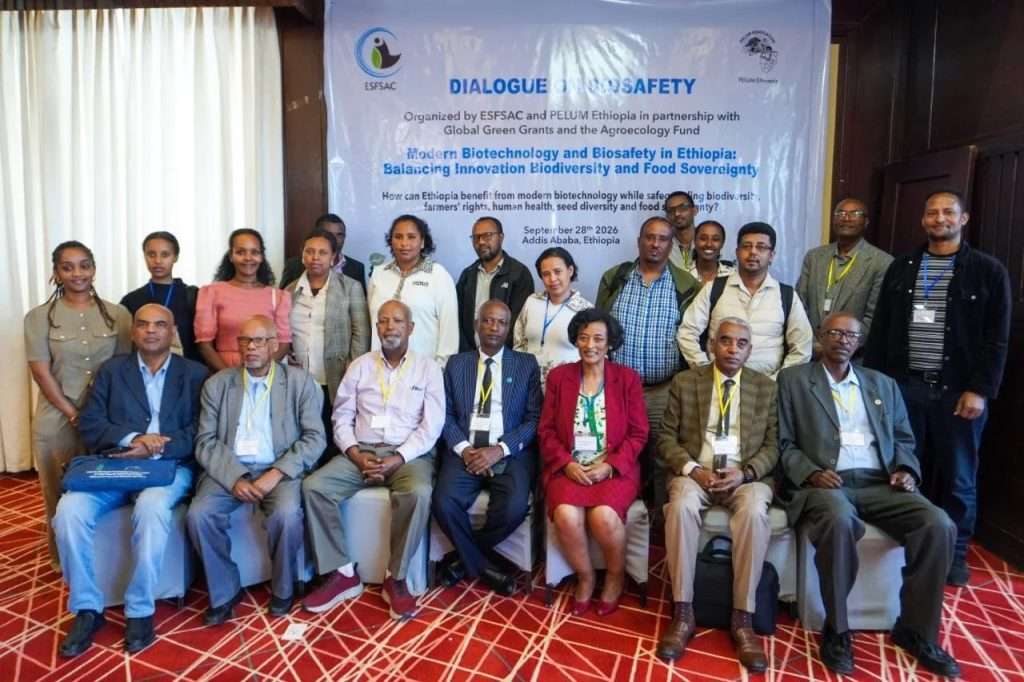
When the Ethiopian Sustainable Food Systems and Agroecology Consortium (ESFSAC) and PELUM Ethiopia convened key agricultural stakeholders at Addis Ababa’s Azzeman Hotel on September 28, 2026, the backdrop was a nation navigating a critical crossroads in food governance.
The multi-stakeholder dialogue, titled “Biosafety and Modern Biotechnology: Balancing Innovation, Biodiversity, and Food Sovereignty,” signaled a shift away from ideological posturing toward an evidence-based evaluation of what responsible agricultural innovation looks like for Ethiopia.
Ethiopia’s push to modernize its agricultural sector takes place against a backdrop of complex pressures: severe climate variability, persistent pest threats, and a growing population requiring higher yield security. While modern biotechnology offers potential tools to address these stress factors, it introduces sharp trade-offs regarding biosafety, smallholder rights, and seed-system autonomy.
For decades, Ethiopia maintained a cautious stance under its biosafety legislative history. However, the regulatory landscape evolved following the 2015 amendments to the Biosafety Proclamation (No. 896/2015) and subsequent approvals, including the commercial release of genetically modified (Bt) cotton and confined field trials for crops like drought-tolerant and pest-resistant maize (TELA).
The September 28 forum highlighted that biotechnology in Ethiopia is no longer a theoretical debate; it is an active policy experiment with real-world economic and environmental consequences.
The multi-stakeholder consultations brought several core tensions and strategic priorities to light. A focal point of the sessions was examining real-world performance data from commercial Bt cotton cultivation, where participants analyzed supply-chain integrations, pest management efficacy, and how post-release monitoring has functioned under local field conditions.
At the same time, Ethiopian researchers and civil-society advocates are calling for stronger biosafety regulations and independent scientific oversight as the country moves toward commercial distribution of genetically modified food crops. They argue that while biotechnology may offer potential benefits, Ethiopia’s regulatory framework requires stronger implementation, transparent risk assessment, and broader public participation to protect biodiversity, public health, farmers’ rights, and national food sovereignty.
Civil society representatives and seed-system advocates emphasized that millions of Ethiopian smallholders depend on informal, community-based seed saving and exchange, warning that the unregulated introduction of patented corporate genetic material poses financial and legal risks to farmer autonomy.
Framing this perspective, Solomon Kebede, Executive Director of MELCA-Ethiopia, a civil-society organization working on food systems, biodiversity, and biosafety, noted that genetic modification should not be rejected automatically but stressed the need for strict guardrails.
“We are not absolute opponents of genetic modification,” Solomon told Ethiopia Today. “But if it is to be implemented, it must have deep, participatory, and robust safeguard and compensation frameworks.”
Consequently, discussions highlighted the urgent need for comprehensive risk assessment frameworks, post-release monitoring, and transparent regulatory oversight. Effective biosafety governance must serve as a safeguard for public health and biodiversity rather than an administrative bottleneck or rubber stamp.
Ultimately, the dialogue underscored a growing recognition across academia, regulatory bodies, and civil society: polarization between blanket rejection and unregulated adoption of biotechnology is counterproductive. Ethiopia’s path forward relies on maintaining a balanced policy environment that positions biosafety as an enabler of responsible science. This challenges regulators to build transparent, evidence-based systems that conduct rigorous risk assessments while guiding safe innovations to market.
Simultaneously, as a vital center of genetic diversity, the country must implement strict co-existence protocols to safeguard local crop varieties such as teff, coffee, and enset against accidental contamination or market displacement to protect its agricultural heritage. Achieving this requires strong institutional coordination to bridge existing operational gaps between the Ministry of Agriculture, the Environmental Protection Authority, research universities, and farmer cooperatives—a necessary alignment to prevent fragmented decision-making across the sector.