Using less, reusing more and managing waste better could avoid greenhouse gas emissions on a scale greater than the world’s remaining carbon budget for limiting global warming to 1.5°C.
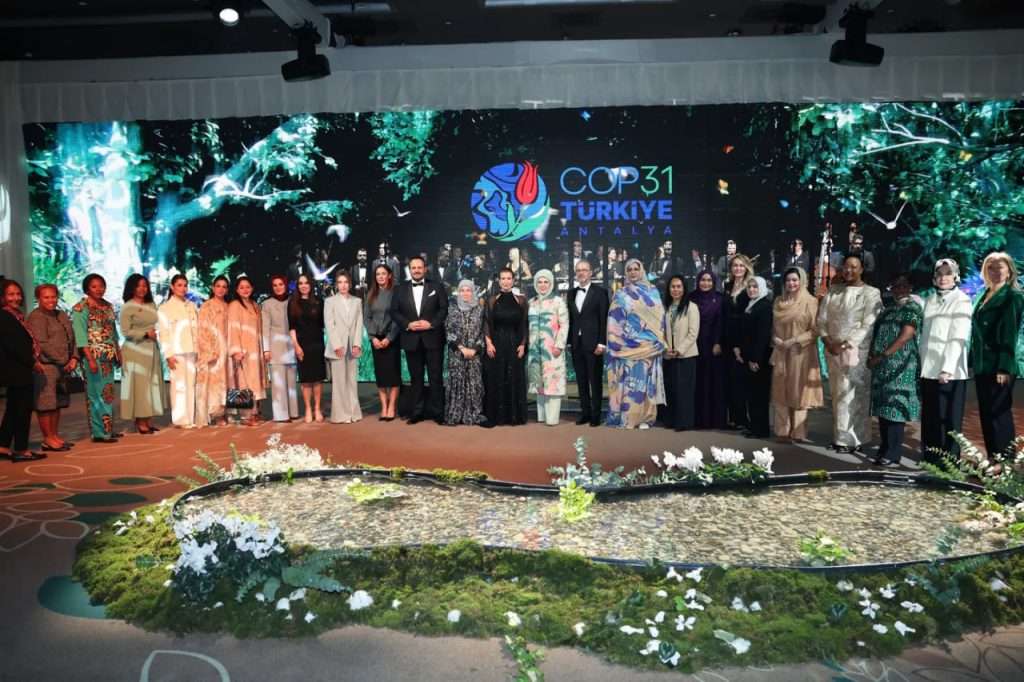
First cohort of 20 additional zero-waste districts in 20 cities was announced in Antalya, while the Istanbul Zero Waste Action Platform connects more than 100 initiatives to accelerate climate action.
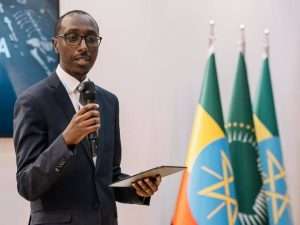
Ethiopia Today (ANTALYA, Türkiye), November 12, 2026—The COP31 Climate High-Level Champion, Samed Ağırbaş, today previewed key findings from Our Zero Waste Future, a major report prepared in partnership with Eunomia Research & Consulting. The findings were presented on his behalf in Antalya, highlighting how zero-waste approaches can help reduce greenhouse gas emissions and accelerate climate action. The full report will be launched on Monday, 16 November.
The report estimates that applying zero-waste approaches across the materials economy could avoid 149 billion tonnes of CO₂ equivalent (Gt CO₂e) cumulatively between 2025 and 2050 if the measures identified are implemented in full. By 2050, annual emissions savings could reach 9.6 Gt CO₂e—more than the greenhouse gas emissions generated by the global transport sector today.
“Zero waste is a thread that connects climate action with wider environmental outcomes, the circular economy, and more sustainable ways of living. It creates an opportunity to bring climate action closer to communities, households and individuals, enabling people to participate directly in building a more resilient world,” said Samed Ağırbaş, COP31 Climate High-Level Champion, in the report’s foreword.
The report highlights that the opportunity extends well beyond improving waste collection and recycling. It identifies 37 Gt CO₂e in potential cumulative savings from municipal waste measures, including improved waste management, food waste prevention, and reuse, repair and sharing. A further 112 Gt CO₂e could be avoided through greater material efficiency in buildings, infrastructure and durable goods, including by reducing demand for virgin materials and extending the life of products and assets. The report also highlights that around 2.7 billion people lack regular waste collection services, underscoring the need to address basic waste management alongside wider circular economy solutions.
The findings reinforce the importance of the COP31 Presidency’s 2035 targets to reduce the projected increase in global annual municipal solid waste generation by at least 50 per cent and and increase the global circular material use rate from 6.9 per cent to at least 15 per cent by 2035. These targets represent an important step towards reducing emissions from the way materials are produced, used and managed, while the report points to a much broader opportunity across the global materials economy. It also calls on governments to develop agreed methods to measure and account for emissions avoided through reuse, repair, refurbishment and sharing in their Nationally Determined Contributions (NDCs), helping ensure these climate benefits are recognised in national climate plans.
Alongside the preview of the report’s findings, Ağırbaş announced the first cohort of 20 districts in 20 cities joining the Zero Waste Districts initiative, building on its launch in Istanbul in June 2026. The initiative demonstrates how zero-waste solutions can be put into practice at the local level, bringing governments, businesses and communities together to advance waste prevention, resource efficiency and circular approaches.
“Cities are where climate action must deliver results. With 20 cities joining the Zero Waste Districts initiative as its first cohort here in Antalya, we are taking the zero-waste approach from ambition to implementation. These districts will deliver measurable climate benefits and, more importantly, create models that other cities worldwide can replicate and scale,” said Ağırbaş.
Through practical action at district level, the initiative aims to demonstrate how cities can prevent waste, reduce methane emissions, strengthen reuse and repair systems, support circular business models and develop solutions that can be replicated and scaled in other urban settings. It also provides opportunities for peer learning, partnerships and investment in locally led implementation.
The importance of translating these ambitions into action at the local level was also underscored by Anacláudia Rossbach, Executive Director of UN-Habitat, who highlighted the role of municipalities, investment, and inclusive waste services in delivering results.
“Preventing waste and improving services bring climate action directly into the places where people live. The Istanbul Platform can bring governments, cities, businesses, and communities together, connecting municipal priorities with technical expertise and finance. The first generation of Zero Waste Districts gives this ambition a place in people’s everyday lives,” said Rossbach.
The COP31 Climate High-Level Champion also highlighted the Istanbul Zero Waste Action Platform, which brings together more than 100 initiatives through the Global Climate Action Agenda. Presented at the Zero Waste Forum in Istanbul, the Platform is designed to connect existing initiatives, coalitions, and stakeholders across the Agenda’s six thematic areas. Rather than creating a parallel structure, it aims to strengthen collaboration, mobilize finance, raise the visibility of solutions already delivering results, and help accelerate their implementation.
Initial areas of focus include food loss and waste, organics management, methane reduction, Zero Waste Districts, and circular industry. The report and these initiatives contribute to the wider effort to mobilize governments, cities, businesses, investors, civil society, and communities around practical solutions that can accelerate climate action and support a fairer, lower-carbon materials economy
COP31 #ZeroWaste #ClimateChange #CircularEconomy #CarbonBudget #Antalya #Istanbul #SamedAgirbas #UNHabitat #SustainabilityNews #ClimatePolicy #NetZero