By: Dawit Astatike
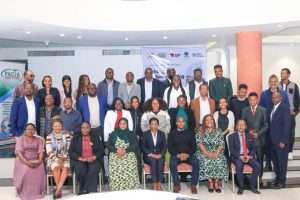
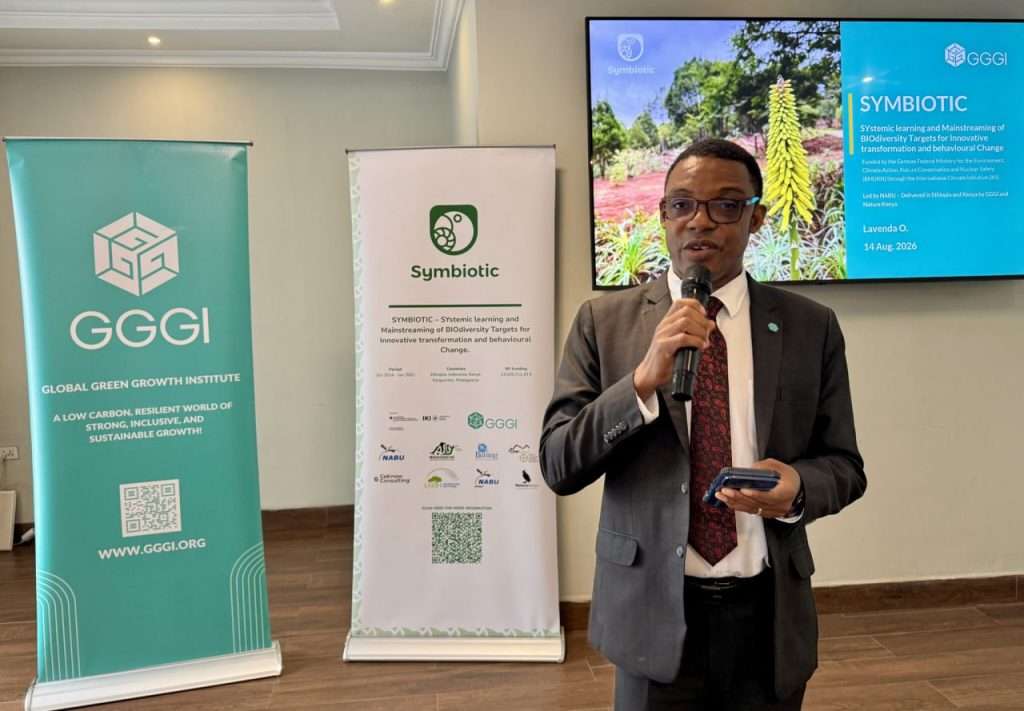
Addis Ababa (Ethiopia Today) August 18, 2026: Global Green Growth Institute (GGGI) and the Ethiopian Biodiversity Institute (EBI), along with key government and civil society partners, officially launched the national kick-off of the €14.9 million SYMBIOTIC project in Addis Ababa to embed biodiversity targets into Ethiopia’s economic planning, fiscal policies, and private sector investments.
Supported by the German government’s International Climate Initiative (IKI) through January 2031 across five participating countries, the initiative tackles environmental degradation and institutional gaps by utilizing natural capital accounting to quantify the economic value of nature and transform how the nation plans, invests, and grows.
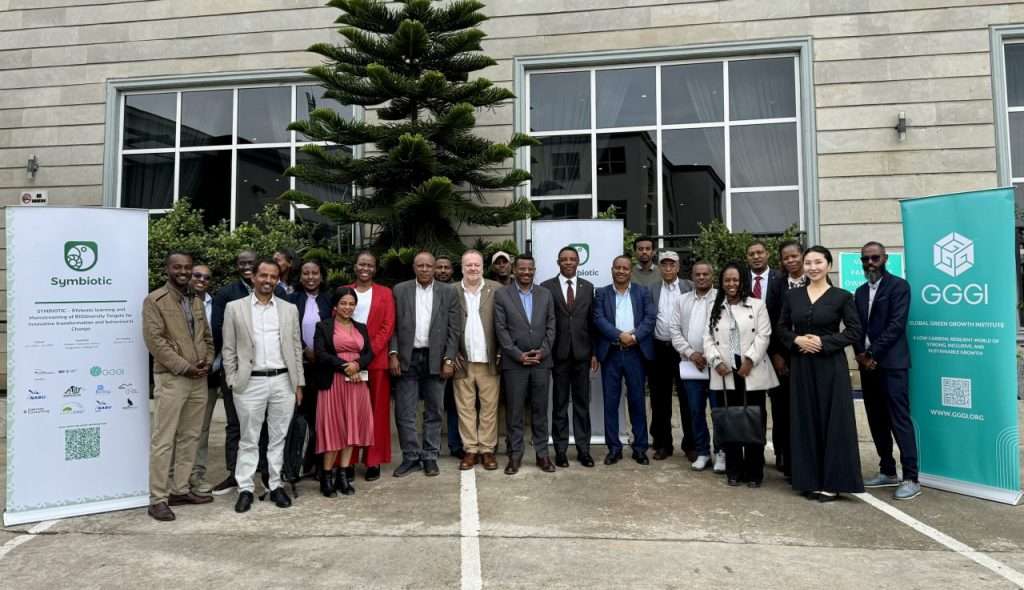
GGGI Ethiopia Country Director Okechukwu Daniel Ogbonnaya stressed that while Ethiopia has established clear commitments through its National Biodiversity Strategy and Action Plan (NBSAP), the SYMBIOTIC project provides the mechanism needed to translate those policies into practice.
He noted that the initiative works directly with public authorities and private enterprises to ensure biodiversity becomes a fundamental driver of sustainable economic growth rather than an afterthought.
Delivering the keynote address, EBI Director General Dr. Karta Kaske affirmed that biodiversity forms the economic and ecological foundation of Ethiopia’s development agenda. Aligned with the Kunming-Montreal Global Biodiversity Framework (KMGBF), Dr. Karta emphasized that meeting the country’s conservation targets requires multi-stakeholder collaboration to embed biodiversity into national planning, investment decisions, and sectoral development strategies.
During technical presentations, Assefa Molla Terefe of the Ministry of Planning and Development highlighted the adoption of Natural Capital Accounting (NCA) as a core tool under the project.
By measuring and assigning tangible economic value to biodiversity, the framework enhances the visibility of natural resources within national accounting systems and high-level investment models, addressing long-standing gaps caused by unquantified ecosystem services.
Leading the policy and private sector engagement component (Output III), GGGI Ethiopia Project Manager Lavenda Ondere and Program Lead Ben Irwin outlined how the organization will assist decision-makers in developing regulatory tools and fiscal planning frameworks, adding that the objective is to shift the perception of biodiversity from a regulatory growth constraint to an essential asset worthy of sustained financial investment.
To drive broader societal change, NABU Ethiopia CEO Sisay Asfaw presented the organization’s focus on community awareness, advocacy, and citizen science programs targeting youth, schools, and local populations. Additionally, Kiundu Waweru of Internews presented the media and communications component, which aims to empower local journalists, youth, and communities as active change agents to raise public discourse on biodiversity loss and environmental governance.