Ethiopia spends 250 million USD every year to import rice
Addis Ababa (Ethiopia Today), May 21, 2023: Ethiopia’s rice demand has been increasing by 30 percent every year, according to the Ethiopian Agricultural Transformation Institute (ATI).
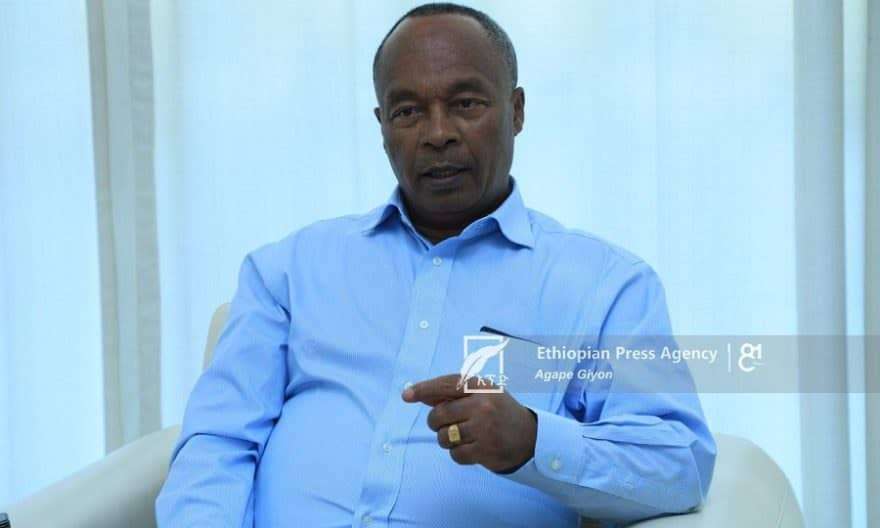
ATI General Director Mandefro Nigusse (PhD) told The Ethiopian Herald that the country’s rice demand is increasing from time to time and that rice has been included in the diet system of Ethiopians.
The inadequate attention that has been given to rice production and the public’s limited rice consumption habits were the main factors in Ethiopia’s reliance on 75 percent of imports.
Currently, the situation has changed, and the demand for rice in Ethiopia has been increasing by 30 percent every year.
To satisfy the growing demand, the institute has explored different alternatives and plans to cover more land with the crop in different parts of the country. “In the Tana area of Amhara State alone, there are about 1.2 million hectares of land suitable for rice farming, and if we cultivate this, it will enable the country to be self-sufficient in rice.”
In Ethiopia, there are eight corridors for rice farming, and the largest is in Amhara State, followed by Benishangul Gumuz, Gambella, and Oromia. Harvesting these areas in the coming rainy season will make the country more effective.
Rice is also being grown in Gode town in Somali State with the help of irrigation; currently, rice is being harvested in mass in and around Bahir Dar, the capital of the Amhara State.
“Ethiopia spends 250 million USD every year to import rice; when we import rice from abroad, we lose not only the foreign currency but also the job opportunities that should have existed in the country.
“The director general further noted that the good results registered in wheat production should be replicated in rice production.
Ethiopia has immense capacity to produce rice, but the amount of rice it is currently producing is unsatisfactory.
Mandefro remarked that to make Ethiopia self-reliant in rice production by 2027, consolidated efforts are underway to purchase harvesting machines from Japan and South Korea.