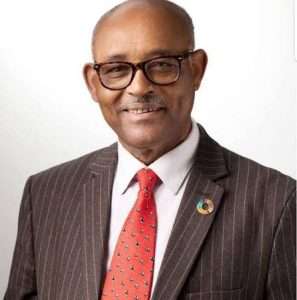
By: Kebour Ghenna
Ethiopia Today, June 9, 2026
Ethiopia’s Private Sector Problem: Too Weak to Trust, Too Weak to Grow
Part 2: The Problem May Not Be Business
In the first article, I argued that Ethiopia suffers from a curious contradiction.
The government says it wants a strong private sector, but often behaves as though business is something to be supervised, managed, guided, regulated, inspected, taxed, licensed, and occasionally blamed.
Many readers agreed.
Others pointed out that the problem runs deeper than trust.
They are right.
Trust matters. But trust is not the whole story.
After all, governments do not wake up one morning and decide not to trust business. Nor do businesses automatically deserve trust simply because they call themselves private.
The real question is this:
What exactly is preventing Ethiopia from becoming one of Africa’s best places to do business?
The answer is not a single problem. It is a collection of problems that reinforce one another. And unfortunately, they are not unique to Ethiopia.
Every developing country faces some version of them. Cronyism. Corruption. Incompetence. Regulatory unpredictability. Weak institutions. Political uncertainty. Administrative inefficiency. Unequal treatment under the law. Limited accountability. And occasionally the belief that a permit, a signature, or a stamp is itself a form of economic activity.
All these together they form an invisible tax on production. And invisible taxes are often the most expensive.
An entrepreneur can calculate customs duties. A manufacturer can estimate electricity costs. An exporter can forecast shipping expenses. But how does one calculate the cost of uncertainty?
How does one price the risk that a regulation changes overnight? Or that a competitor enjoys connections unavailable to everyone else? Or that an investment approval takes six months rather than six days? Or that a contract is enforced differently depending on who signed it?
These things rarely appear in economic reports. Yet they influence investment decisions every day.
This is where Ethiopia’s challenge becomes more complicated than many reform discussions acknowledge.
The problem is not that the state is too strong, nor is it that the private sector is too weak. The problem is that both sides often spend enormous energy navigating a system that makes productive activity unnecessarily difficult. And this brings us to an uncomfortable observation.
Many governments assume businesses fail because entrepreneurs lack capital.
Sometimes they do.
But just as often they fail because they are exhausted. Not from competition. Not from innovation. Not from production. But from navigating obstacles that add little value to society.
A businessman spends a week chasing approvals. A farmer spends a month waiting for market access. An exporter spends months searching for foreign exchange. An investor spends years waiting for certainty. At some point, the obstacle becomes the economy.
This is why comparisons with countries such as China, Singapore, South Korea, and Vietnam are useful, but only if we understand what made them successful.
The common explanation is that they had strong governments.
True.
But strong government is not the same thing as large government, nor is it the same thing as government involvement in everything.
What distinguished these countries was something simpler.
The rules were generally clearer. The direction was generally consistent. The incentives favored production. The state disciplined both itself and the private sector. And perhaps most importantly, successful people were expected to become productive, not merely connected.
That distinction matters.
Crony capitalism is not capitalism. It is merely privilege wearing a business suit. Likewise, excessive bureaucracy is not governance. It is administration without purpose.
Neither creates prosperity. Both create frustration.
This becomes particularly important today.
Ethiopia faces challenges that cannot simply be wished away. Insurgencies continue in parts of the country. Security concerns remain real. Investors pay attention to conflict. They pay attention to political stability. They pay attention to discussions surrounding sea access and regional tensions.
Whether these concerns are justified or exaggerated is almost irrelevant. What matters is that investors notice them.
Investment, after all, is a vote on the future. And investors prefer predictable futures. This is where many economic discussions become detached from reality.
People ask whether Ethiopia should prioritize liberalization. Others ask whether it should prioritize industrial policy. Some advocate more markets. Others advocate more state intervention.
But these debates often overlook a simpler truth.
No development strategy works particularly well when institutions are weak.
Markets require rules. Governments require competence.
Businesses require fairness. Citizens require trust that effort will be rewarded.
Without these foundations, every economic model performs below expectations.
Which brings us back to the private sector.
The goal should not be to create powerful businessmen, nor should it be to create powerful bureaucracies.
The goal should be to create powerful productive capacity.
There is a difference.
A country becomes prosperous when it produces more than it consumes. When it exports more than it imports. When it builds firms capable of competing beyond their borders. When talented people spend their time creating value instead of navigating obstacles.
This is where Ethiopia’s future will ultimately be decided. Not by ideology. Not by conferences. Not by slogans. But by whether the country can create institutions that reward competence more than connections, production more than privilege, and long-term investment more than short-term advantage.
The encouraging news is that none of these problems are permanent. Countries have solved them before.
The discouraging news is that they are solved slowly. There are no shortcuts. No master plans. No miracle reforms. Only the difficult work of building institutions that people trust.
Perhaps that is why economic development remains so elusive.
Building a road takes a few years. Building a dam takes a decade. Building trust takes a generation. And yet trust may be the most valuable infrastructure of all.
What do you think?
Ethiopia’s Private Sector Problem: Too Weak to Trust, Too Weak to Grow
By Kebour Ghenna
Part 2: The Problem May Not Be Business
In the first article, I argued that Ethiopia suffers from a curious contradiction.
The government says it wants a strong private sector, but often behaves as though business is something to be supervised, managed, guided, regulated, inspected, taxed, licensed, and occasionally blamed.
Many readers agreed.
Others pointed out that the problem runs deeper than trust.
They are right.
Trust matters. But trust is not the whole story.
After all, governments do not wake up one morning and decide not to trust business. Nor do businesses automatically deserve trust simply because they call themselves private.
The real question is this:
What exactly is preventing Ethiopia from becoming one of Africa’s best places to do business?
The answer is not a single problem. It is a collection of problems that reinforce one another. And unfortunately, they are not unique to Ethiopia.
Every developing country faces some version of them. Cronyism. Corruption. Incompetence.Regulatory unpredictability. Weak institutions. Political uncertainty. Administrative inefficiency. Unequal treatment under the law. Limited accountability. And occasionally the belief that a permit, a signature, or a stamp is itself a form of economic activity.
A;; these together they form an invisible tax on production. And invisible taxes are often the most expensive.
An entrepreneur can calculate customs duties. A manufacturer can estimate electricity costs. An exporter can forecast shipping expenses. But how does one calculate the cost of uncertainty?
How does one price the risk that a regulation changes overnight? Or that a competitor enjoys connections unavailable to everyone else? Or that an investment approval takes six months rather than six days? Or that a contract is enforced differently depending on who signed it?
These things rarely appear in economic reports. Yet they influence investment decisions every day.
This is where Ethiopia’s challenge becomes more complicated than many reform discussions acknowledge.
The problem is not that the state is too strong, nor is it that the private sector is too weak. The problem is that both sides often spend enormous energy navigating a system that makes productive activity unnecessarily difficult. And this brings us to an uncomfortable observation.
Many governments assume businesses fail because entrepreneurs lack capital.
Sometimes they do.
But just as often they fail because they are exhausted. Not from competition. Not from innovation. Not from production. But from navigating obstacles that add little value to society.
A businessman spends a week chasing approvals. A farmer spends a month waiting for market access. An exporter spends months searching for foreign exchange. An investor spends years waiting for certainty. At some point, the obstacle becomes the economy.
This is why comparisons with countries such as China, Singapore, South Korea, and Vietnam are useful, but only if we understand what made them successful.
The common explanation is that they had strong governments.
True.
But strong government is not the same thing as large government, nor is it the same thing as government involvement in everything. What distinguished these countries was something simpler.
The rules were generally clearer. The direction was generally consistent. The incentives favored production. The state disciplined both itself and the private sector. And perhaps most importantly, successful people were expected to become productive, not merely connected.
That distinction matters.
Crony capitalism is not capitalism. It is merely privilege wearing a business suit. Likewise, excessive bureaucracy is not governance. It is administration without purpose.
Neither creates prosperity. Both create frustration.
This becomes particularly important today.
Ethiopia faces challenges that cannot simply be wished away. Insurgencies continue in parts of the country. Security concerns remain real. Investors pay attention to conflict. They pay attention to political stability. They pay attention to discussions surrounding sea access and regional tensions.
Whether these concerns are justified or exaggerated is almost irrelevant. What matters is that investors notice them.
Investment, after all, is a vote on the future. And investors prefer predictable futures. This is where many economic discussions become detached from reality.
People ask whether Ethiopia should prioritize liberalization. Others ask whether it should prioritize industrial policy. Some advocate more markets. Others advocate more state intervention.
But these debates often overlook a simpler truth.
No development strategy works particularly well when institutions are weak.
Markets require rules. Governments require competence. Businesses require fairness. Citizens require trust that effort will be rewarded.
Without these foundations, every economic model performs below expectations.
Which brings us back to the private sector.
The goal should not be to create powerful businessmen, nor should it be to create powerful bureaucracies.
The goal should be to create powerful productive capacity.
There is a difference.
A country becomes prosperous when it produces more than it consumes. When it exports more than it imports. When it builds firms capable of competing beyond their borders. When talented people spend their time creating value instead of navigating obstacles.
This is where Ethiopia’s future will ultimately be decided. Not by ideology. Not by conferences. Not by slogans. But by whether the country can create institutions that reward competence more than connections, production more than privilege, and long-term investment more than short-term advantage.
The encouraging news is that none of these problems are permanent. Countries have solved them before.
The discouraging news is that they are solved slowly. There are no shortcuts. No master plans. No miracle reforms. Only the difficult work of building institutions that people trust.
Perhaps that is why economic development remains so elusive.
Building a road takes a few years. Building a dam takes a decade. Building trust takes a generation. And yet trust may be the most valuable infrastructure of all.
What do you think?
Editor’s Note: The views, thoughts, and opinions expressed in this article belong solely to the author and do not necessarily reflect the official policy, position, or editorial stance of Ethiopia Today. This commentary is intended to stimulate professional discussion regarding Ethiopia’s updated financial frameworks and customs regulations.