By: Our Staff Reporter
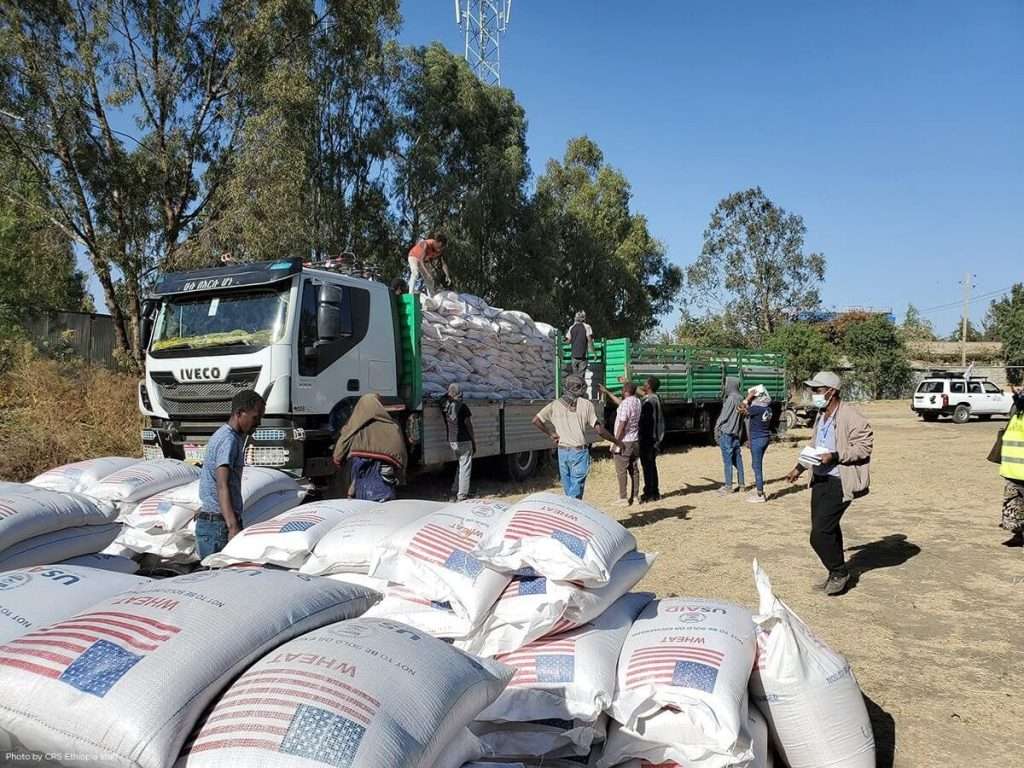
In the final months of 2025, Ethiopia’s humanitarian logistics network reached a breaking point. A new Logistics Cluster fact sheet reveals that a “triple threat” of escalating conflict, climate-driven flooding, and disease outbreaks intensified displacement while simultaneously choking off the routes needed to deliver life-saving aid.
The agency’s Communications Director, Tekleshe Gebrehiwot, said fuel shipments fell from 5.2 million liters in May to 2.09 million liters in June, an over 85% shortfall from the region’s expected monthly quota of 15 million liters, stressing that the decline was heavily affecting transport, healthcare, and education systems across Tigray.
The report added that the complex bureaucratic and administrative procedures delayed the importation of vehicles and relief items and hindered cargo movement within the country, with Amhara among the most affected regions.
Previously, the UN Office for the Coordination of Humanitarian Affairs (UNOCHA) warned that an estimated 500,000 displaced people sheltered across camps and host communities in Ethiopia’s Amhara region are facing acute shortages of food, shelter, water, sanitation, healthcare, and protection services, with nearly 90% of the displaced living within host communities while the rest have taken refuge in overcrowded makeshift sites, including Debre Berhan and Jara camps, which are currently hosting around 22,000 and 10,000 people, respectively.
The shortage of commercial trucking services in areas where humanitarian fleets could not safely operate created additional supply chain gaps, leaving some partners with limited options for last-mile delivery.
A report by Addis Standard last May revealed worsening trucking insecurity in Ethiopia’s Amhara region, where the Tana Heavy Vehicle Drivers Association said more than 30 drivers were kidnapped within two weeks amid escalating conflict between federal forces and Fano militias.
An association official warned that weak accountability had made abductions increasingly frequent, identifying the Checheho–Gayint–Debre Tabor–Woreta corridor and the Gondar–Metema trade route as high-risk areas; the latter was closed for nearly two months, forcing drivers onto unsafe detours, and even after reopening, kidnappings and armed attacks continued.
The Logistics Cluster warned that unless access constraints, fuel shortages, and administrative barriers are eased, humanitarian operations risk further delays at a time when needs remain high across conflict- and climate-affected communities. Reliable logistics services are crucial for maintaining aid delivery and enhancing the overall response capacity of humanitarian actors