By:- Our Staff Reporter
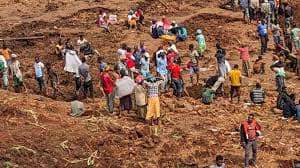
Starting February 8, 2026, Ethiopians will contribute to a new Disaster Response Fund through fees on everyday services and transactions.
Individuals taking out loans or receiving dividends will pay one percent, while insurance premiums will also incur a one percent fee. Additionally, digital banking users, along with telecom customers, will face five percent fees on transactions, airtime, and internet use.
Travelers buying national flight tickets will pay 100 birr, while passports and visas will cost 200 birr. Fuel suppliers contribute one birr per liter, and trade licenses—whether new or renewedcarry a 200 birr fee.
| Category | Service / Transaction | Contribution Fee |
| Telecoms | Mobile Airtime and Internet/Data Use | 5% |
| Banking | Digital Banking Service Fees | 5% |
| Banking | New Bank & Microfinance Loans | 1% |
| Investment | Annual Corporate Dividends | 1% |
| Insurance | Insurance Premium Collections | 1% |
| Travel | National Flight Tickets | 100 Birr |
| Identity | Passport & Visa Issuance | 200 Birr |
| Business | New or Renewed Trade Licenses | 200 Birr |
| Fuel | Petroleum Supply | 1 Birr / Liter |
| Government | Federal & City Budgets (Addis/Dire Dawa) | 0.25% |
| Logistics | ESLSE Yearly Sales | 5% |
| Customs | Sales of Contraband (via Tender) | 60% |
| Special Goods | Tobacco & Alcohol Producers/Importers | 5% |
| Other | Lottery Winnings & Chemical Producers | 1% |
Document authentication and registration services will be charged five percent, while contraband sales handled by the Customs Commission via tender will face a staggering 60 percent fee.
Chemical producers and importers pay one percent, tobacco and alcohol producers and importers five percent, and Ethiopian Shipping and Logistics Services contribute five percent of their yearly sales.
Lottery winners will give one percent of their winnings, and 0.25 percent of the federal, Addis Ababa, and Dire Dawa budgets will go to the fund.
Most fees are collected monthly, except federal and city budgets (quarterly) and customs tenders (twice a year, July and January).
This sweeping initiative spreads responsibility across citizens, businesses, and government to strengthen Ethiopia’s disaster preparedness.