
By: Dawit Astatike
Ethiopia Today (Addis Ababa), September 30, 2026: Rapid regulatory updates by the National Bank of Ethiopia (NBE) are driving a comprehensive transformation across the nation’s financial system, pushing domestic lenders to adopt international compliance and risk management standards ahead of planned market liberalization.
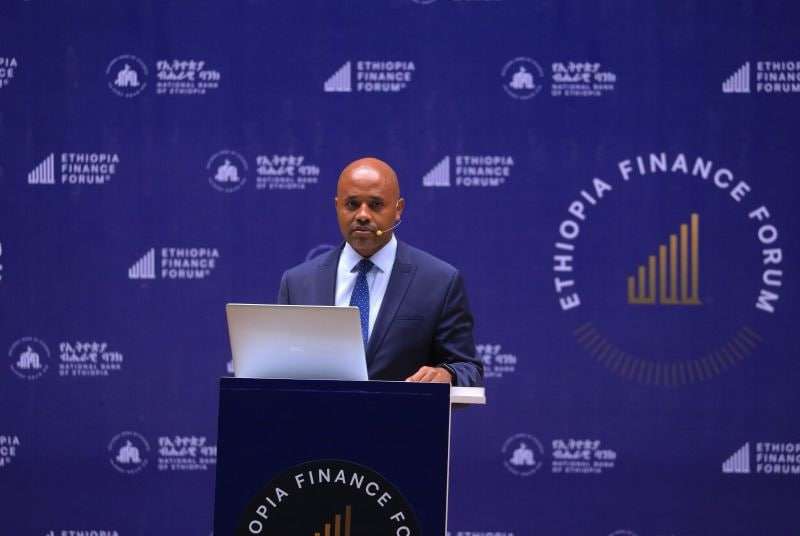
Panelists at the Ethiopia Finance Forum (EFF) highlighted the operational impact of these regulatory shifts on domestic banks.
Dr. Emnet, representing the Development Bank of Ethiopia (DBE), noted that while implementing up to six new directives annually places significant compliance demands on financial institutions, local banks view the fast pace as a necessary step to clear historical backlogs and align with international standards, such as the Basel Accords.
“Implementation demands swift compliance to avoid penalties, creating operational tension,” Dr. Emnet stated during the panel discussion. “However, these directives directly strengthen the risk management capacity of domestic banks, forcing us to upgrade our capital buffers, internal controls, and human capital quality to remain competitive as the market opens.”
The regulatory overhaul comes as Ethiopia prepares its domestic banking sector for foreign investment and increased digital integration.
Financial sector experts underscored the importance of sequencing reforms, prioritizing robust bank supervision and governance structures before full market liberalization to prevent credit volatility and systemic risks.
Addressing integrity and anti-money laundering (AML) controls, industry experts urged the adoption of risk-based Know Your Customer (KYC) frameworks and digital identity infrastructure, such as the Fayda National ID system.
Devon, a private sector specialist on customer due diligence, emphasized that tiered compliance models and AI-driven transaction monitoring are crucial to balancing strict counter-terrorist financing (CFT) standards with broader financial inclusion targets, particularly for rural and underserved populations.
Regulators reaffirmed that strengthening legal enforcement remains central to protecting the integrity of the financial system and maintaining international banking relationships.
As foreign entry approaches, financial leaders cited Ethiopia’s population of nearly 130 million, growing digital adoption, and untapped market opportunities as primary drivers for future investment.



