
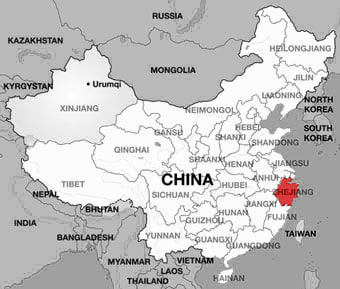
By: Dawit Astatike (Zhejiang Province, China)
For an Ethiopian journalist like me, educated in a Western system and exposed to Western media, maintaining a positive attitude toward China seemed almost inconceivable. Almost everything I had heard and watched about China via Western media was negative: it was a nation of atheists, its people had no spiritual beliefs, and they were said to eat virtually anything—I even recalled a popular saying that they would “eat everything with four legs except a table.”
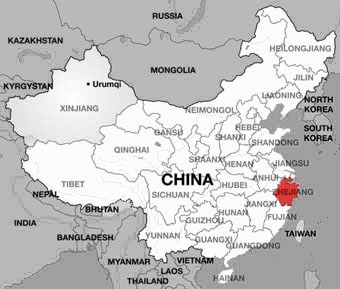
Since the trip was arranged, I have been eager to see what China is really like. Upon reaching Shanghai Pudong International Airport, I found it bustling with people, and I feared a long queue. However, the polite and efficient officers processed all passengers in a short time.
After checking out of the airport, I headed to Deqing in a Chinese-brand car. Deqing is located in Zhejiang Province, near Huzhou, and the journey took about 1 hour and 45 minutes.
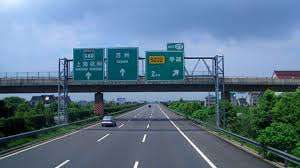
The expressway was impressive, with four lanes where every driver respected the traffic laws. There was no honking or accidents, yet cars maintained an average speed of 120 km per hour.
Reflections from Zhejiang: Discipline, Belief, and Innovation
A Culture of Discipline at Antex Textile
My visit to the Antex textile factory revealed a striking culture of discipline. The employees’ focus was absolute—no side conversations, no distractions—just the steady hum of machinery as each person concentrated on their task. This collective drive for efficiency, it seems, is woven into the very fabric of Chinese work ethic, a cultural discipline from which we Ethiopians could certainly learn.
This dedication translates directly into tangible rewards. One would not expect employees at a textile factory to drive luxury cars, yet the premise told a different story. In the morning, the parking lot was empty. Right after 1:30 AM, it filled within minutes with vehicles, including Mercedes and BMWs. The unwritten philosophy here is clear: focus on your job, attain maximum efficiency, earn accordingly, and enjoy the fruits of your labor.
Belief and Religion: A Pragmatic Respect
My understanding of Chinese spirituality deepened through visits to sites like the renowned Lingyin Temple in Hangzhou. Built over 1,700 years ago, Lingyin attracts massive crowds. According to the information I got from the ticket officers, nearly 13,000 Chinese from various parts of China and foreign tourists paid a visit every day.
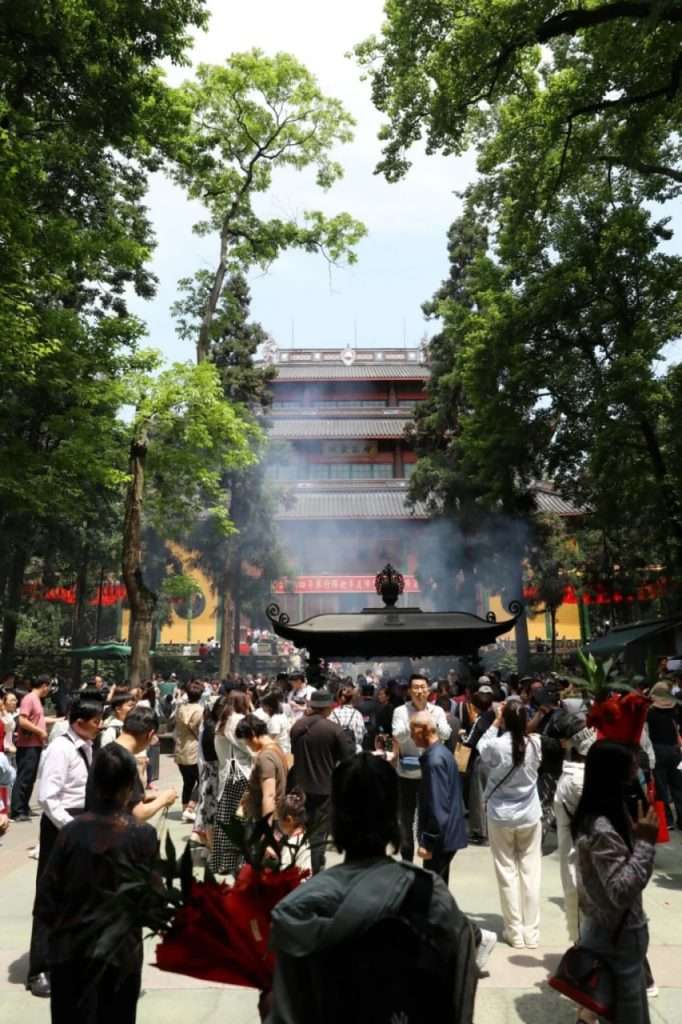
When my guide asked dozens of them, however, none identified as followers of Buddha. Even a young volunteer guiding us through the temple was not a believer; however, it does not mean that they don’t have a belief. Lingyin Temple is renowned for its vibrant incense-burning tradition, where devotees purchase large bundles of incense to offer prayers for peace, health, luck, success, and career. Worshippers light the large incense sticks, gently wave them to extinguish the flame, and then place them in large bronze burners as they pray.
“Peace” is the golden word commonly heard, spoken by ordinary from Chinese people to the elites.
This illustrates a nuanced relationship with faith. I am certain that a vast majority of Chinese people respect religion deeply but do not strictly believe in one. Buddhism and Confucian ethics are influential cultural forces, yet religion is often seen as a tool for prayer or moral guidance when needed, like the businessman who visits a temple to pray for success.
The state excels at preserving these historical sites, making them accessible and unforgettable for all, with policies like free entry for dedicated blood donors and 50% off for elders and students.
While there are regions with concentrated devout populations, like Muslim or Tibetan Buddhist communities, the broader national characteristic is one of pragmatic reverence. Religion is a part of the cultural landscape to be honored, not necessarily a doctrine to dictate daily life.
West Lake and the Rhythm of Life
The West Lake Cultural Landscape in Hangzhou is a testament to timeless beauty, having inspired poets and artists for centuries. Its pagodas, gardens, and causeways are impeccably maintained, offering serene walkways perfect at sunset. Here, I observed a beautiful parallel to Ethiopian family culture. On weekends, restaurants are filled with multi-generational families sharing meals, laughter, and quality time over diverse dishes.
This vibrant social life, however, has a rhythm. On weekdays, the streets are quiet—everyone is at their workplace. The contrast is stark and speaks to a society that clearly separates dedicated work from dedicated leisure.
Innovation and Sustainable Living
Zhejiang Province is a powerhouse of modern innovation seamlessly integrated with green, livable cities. Every town is neat and lush with greenery. Public spaces like West Lake are freely accessible, and former venues like the G20 summit hall or Asian Games stadiums are cleverly reinvented into museums and recreational centers.
The innovation centers are truly impressive. We visited Giant Auto Manufacturing. I got a chance to visit a prominent Chinese electric vehicle (EV) manufacturer, Leapmotor, which specializes in developing and producing smart electric vehicles and is headquartered in Hangzhou.
For a company that doesn’t have more than a dozen years of history, the success that it has achieved within a decade is amazing
The synergy between investors and higher education is particularly advanced, showcased in projects like agricultural drones for pest control and manufacturing an Intelligent Tech robot training ground. I glimpsed the future as multifunctional robots patrolled and climbed stairs with astonishing versatility.
This progress is not accidental but guided by a clear national strategy, now in its 15th Five-Year Plan iteration.
Over the weekend, every shopping mall I visited was bustling with people—children, youth, and adults of all ages shopping, sipping coffee, and enjoying their leisure time.
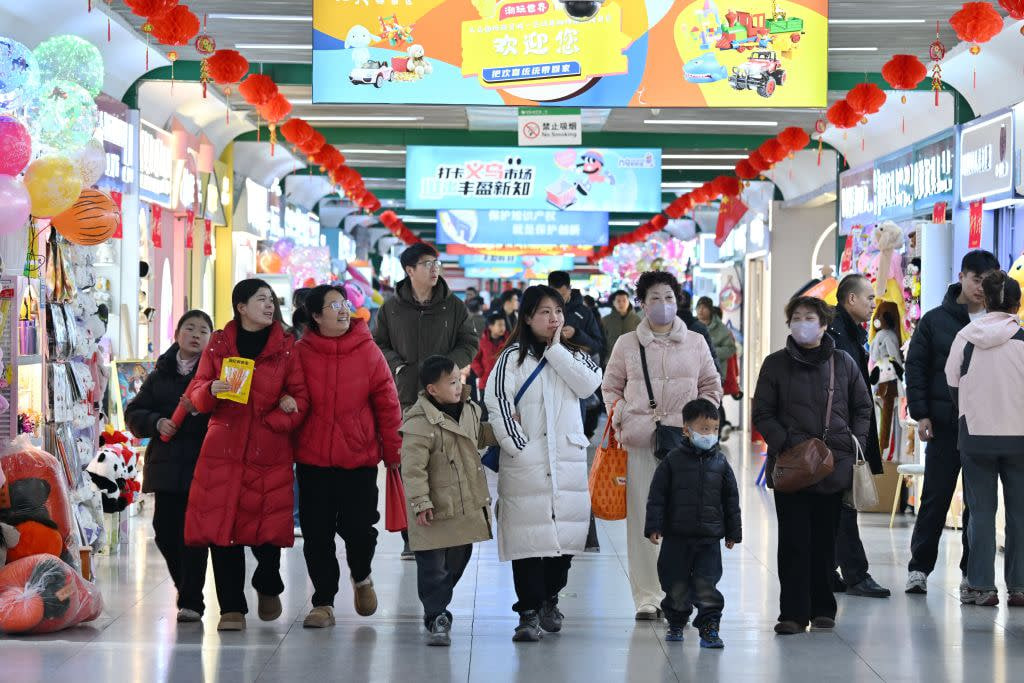
The younger generation in China has enthusiastically embraced coffee culture, often indulging in a large cup from international chains like Luckin Coffee for just 7 to 9 RMB—a very reasonable price point.
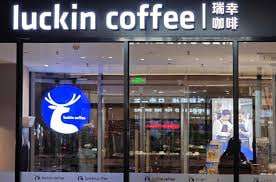
The cost of living here appears to have remained stable for years. With just 100 RMB, you can comfortably enjoy a whole day out—treating yourself to delicious meals and still having enough left over for a good cup of coffee.
Much like in Ethiopia, shared meals are a cornerstone of Chinese family culture. On weekends, restaurants come alive with generations gathered around tables—grandparents, parents, and children chatting, laughing, and enjoying a rich variety of dishes. This dedicated time strengthens bonds and celebrates togetherness, creating cherished moments of connection.
From Monday to Friday, the streets in business and commercial districts often grow quieter as the nation focuses on productivity. You are more likely to see visitors, retirees, or local shopkeepers during the day, while the working-age population is dedicatedly at their offices, factories, or workplaces. This pattern highlights a cultural discipline where family time is intentionally preserved for weekends, while weekdays are earnestly devoted to professional and economic endeavors.
In a telling 2025 survey, five Zhejiang cities—Hangzhou, Ningbo, Wenzhou, Taizhou, and Huzhou—were ranked among China’s happiest, presenting a model of people-centered, high-quality urban development to the world.
The city of Zhejiang presents China’s sustainable development practices to the world; that’s my reflection
My journey was a profound reflection on discipline, pragmatic belief, and the conscious pursuit of harmony between work, family, innovation, and nature.



