By: Our Staff Reporter
Ethiopia Today (Addis Ababa), May 2, 2026: On the eve of World Press Freedom Day, Amnesty International has released a scathing report detailing a widespread campaign of harassment, arbitrary arrests, and systemic intimidation of independent journalists across East and Southern Africa.
The organization highlights that governments have increasingly weaponized the criminal justice system and restrictive cyberlaws to silence dissent, especially in countries that held elections in 2025 and early 2026. Tigere Chagutah, Amnesty’s Regional Director, warned that this crackdown is occurring during a period of low media revenue, further endangering the survival of a free press.
Ethiopia: A Rapidly Shrinking Civic Space
The report singles out Ethiopia for a “renewed wave of crackdowns” that has seen long-standing independent media outlets effectively dismantled. Authorities have arbitrarily revoked the licenses of prominent organizations, including Wazema Radio and Addis Standard. The situation has shifted from legal pressure to physical danger; reports of enforced disappearances and unlawful surveillance are on the rise.
A specific point of concern is the recent abduction of Million Beyene, the managing editor of Addis Standard. Beyene was reportedly seized by national intelligence agents in Addis Ababa on April 15, 2026, and held in an undisclosed location for two weeks without access to legal counsel or family. While he was returned to his family on April 28, the incident is viewed as a stark warning to the broader media community. Furthermore, these restrictive measures are no longer limited to local reporters but have increasingly extended to international media practitioners operating within the country.
Regional Trends: Tactics of Suppression
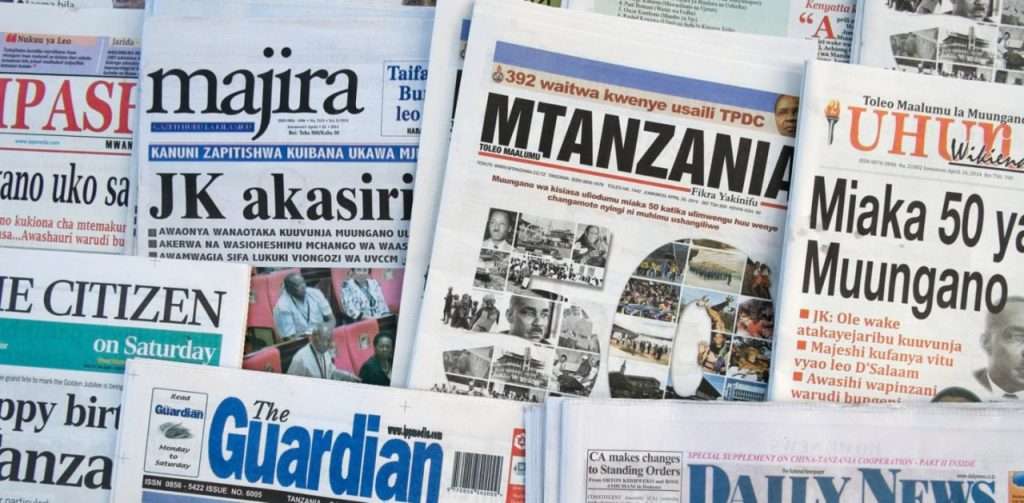
Beyond Ethiopia, Amnesty International has documented a diverse and troubling array of tactics employed by regional governments to suppress independent reporting and stifle the truth. In Tanzania, the state has tightened its grip on the digital sphere by initiating “online patrols” and enforcing a 90-day ban on the popular JamiiForums platform, while a partial internet shutdown during the general elections effectively blocked the media from covering critical human rights issues.
The environment in Zimbabwe has become so hostile that journalists are often forced to choose between exile and imprisonment, exemplified by the forced exile of Blessed Mhlanga and the ongoing detention of Gideon Madzikatidze on questionable “cyberbullying” charges following his investigation into corporate corruption. This trend of legal repression is mirrored in South Sudan, where the February 2026 passage of the Cybercrimes and Computer Misuse Act has raised serious alarms among human rights defenders. Critics fear the act provides a broad legal framework to criminalize legitimate online expression, further entrenching a culture of silence across the region.
Journalism in Conflict Zones
In countries plagued by armed conflict, the press is caught between warring factions. In the Democratic Republic of Congo (DRC), the M23 armed group has been accused of torturing and threatening journalists to influence their coverage. In Sudan, reporters face extreme risks from both sides of the conflict, including abductions and killings. In Somalia, the government has intensified censorship regarding issues of public interest such as corruption and forced evictions, often resorting to beatings and arbitrary prosecutions.
“Journalism is not a crime,” stated Tigere Chagutah. “In all the cases of attacks against journalists that Amnesty International has documented, no one has been held accountable. This increased hostility against the media threatens people’s access to information and weakens accountability.”
Amnesty International is calling on all regional authorities to immediately release journalists held for their work, drop all outstanding charges, and repeal laws that stifle media freedom. The organization stresses that without access to justice for journalists, the prevailing culture of impunity will continue to erode democratic foundations across the continent.