By: Dawit Astatike
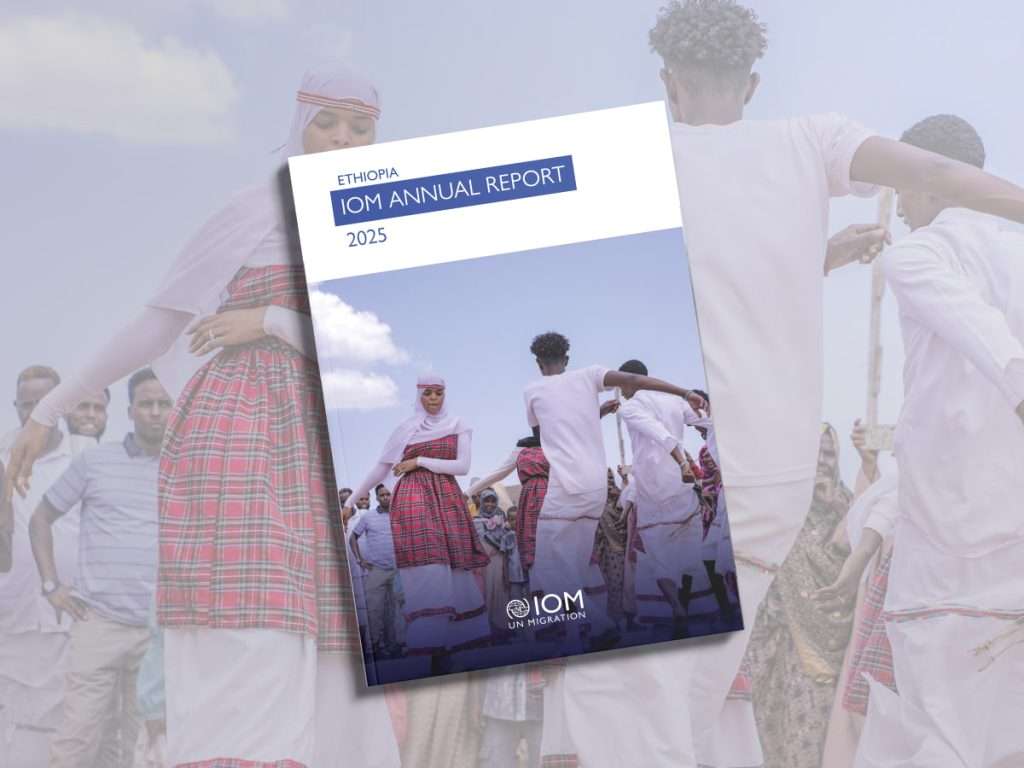
Ethiopia Today (Addis Ababa) May 14, 2026: The International Organization for Migration (IOM) characterizes Ethiopia as a nation navigating exceptionally complex humanitarian needs and mixed migration dynamics, a situation now intensified by a global funding crisis that has necessitated a strategic shift toward providing critical, shock-based assistance to the most vulnerable populations.
Amid these resource constraints, the country is aggressively advancing its “Solutions Agenda” through the newly launched IOM Ethiopia Country Strategy 2025–2029, which prioritizes durable solutions for internal displacement and the modernization of migration governance.
This comprehensive approach integrates area-based support and community resource centers with high-tech border management systems like MIDAS at Bole International Airport, all while strengthening national referral mechanisms to protect victims of trafficking and ensure that migration remains a safe, orderly, and dignified process that contributes to Ethiopia’s long-term stability and inclusive development.
A Strategic Pivot: Managing Migration in a “Funding Crisis”
In her foreword, IOM Ethiopia leadership acknowledged that 2025 was a year of significant challenges. As a global funding crisis constrained resources, the organization was forced to sharpen its focus on the most critical, shock-based assistance.
To maximize impact, IOM transitioned toward a Strengthened Area-Based Approach (ABA). This strategy moves away from fragmented aid, instead delivering integrated, multisectoral support directly into the locations of greatest need. Central to this effort are Community Resource Centres, which now serve as vital hubs for service delivery, referrals, and—crucially—two-way feedback from affected populations.
Driving the “Solutions Agenda”
A major highlight of the 2025 report is Ethiopia’s progress on the Solutions Agenda. Following the 2024 launch of the National Strategy on Solutions Pathways, IOM served as the primary convener for Durable Solutions in 2025.
A cornerstone of the 2025 report is the implementation of the Solutions Index, a sophisticated, data-driven tool designed to meticulously track the journey of displaced persons as they transition toward long-term stability. This analytical framework works in tandem with community-based planning initiatives that integrate the physical rehabilitation of infrastructure with robust livelihood support and inclusive governance models.
Furthermore, the organization has pivoted toward a more preventative strategy by increasing investments in the “Climate & Peace” nexus. By focusing on peacebuilding and climate resilience, IOM and its partners are working to directly address the environmental and social root drivers that force Ethiopians to leave their homes in the first place.
Modernizing Borders and Protecting the Vulnerable
Beyond humanitarian aid, the report emphasizes the modernization of Ethiopia’s migration governance. IOM continued its technical support for the Migration Information and Data Analysis System (MIDAS) at Addis Ababa Bole International Airport, ensuring more efficient and secure border management.
Furthermore, the organization reinforced the National Referral Mechanism, a critical safety net for victims of trafficking and vulnerable migrants. By supporting National and Regional Partnership Coalitions, IOM is helping the Government of Ethiopia (GoE) facilitate safer pathways for regular migration while ensuring that those returning home do so with dignity and sustainable reintegration support.
As IOM looks toward the remainder of its five-year strategy, the focus remains clear: saving lives, driving long-term solutions to displacement, and facilitating legal migration. The 2025 report serves as a baseline for a new Strategic Results Framework, promising a more accountable and transparent way to measure how migration management contributes to Ethiopia’s national stability and inclusive development.