By: Our Staff Reporter
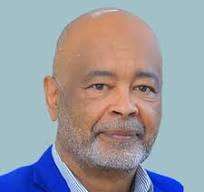
Ethiopia Today (Addis Ababa), October 13, 2026: Deepening international aid shortfalls are directly threatening humanitarian operations across Ethiopia and its neighbors, as UN High Commissioner for Refugees Barham Salih warned that the global protection system risks buckling under catastrophic budget cuts.
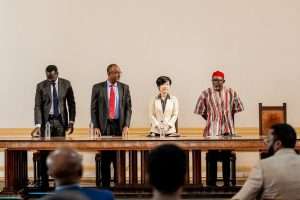
Delivering his first keynote address to the UNHCR Executive Committee meeting in Geneva, Salih highlighted that the agency has received only $3 billion of the $8.5 billion required this year, leaving frontline host nations across East Africa and the Horn to shoulder an unsustainable burden amid 117 million forcibly displaced people globally.
Addressing the agency’s internal restructuring and the loss of 8,000 staff members since 2024, Salih emphasized that “there is… a difference between doing more with less and being asked to do the impossible.”
The impact of these financial reductions is falling heavily on Ethiopia and neighboring states at the epicenter of regional conflict and displacement.
In Ethiopia, critical refugee registration has come to a halt for tens of thousands arriving from South Sudan and Eritrea, leaving hundreds of thousands more in legal limbo as they await verification and integration into the national identification system.
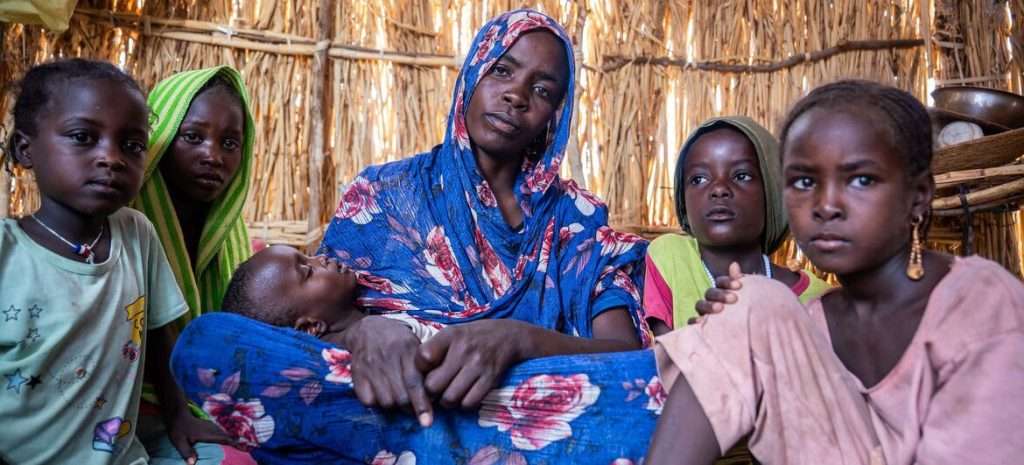
Across the border in Sudan, acute funding shortfalls threaten specialized medical care, legal assistance, and psychological support for more than 50,000 survivors of conflict-related sexual violence. Meanwhile, in neighboring Chad, services for thousands of unaccompanied and separated children fleeing the Sudanese war are at immediate risk.
Across the Horn of Africa, the Sahel, and Yemen, UNHCR has responded to 22 separate emergencies this year despite operating on less than a third of its budget.
Warning international donors that regional host nations, which have welcomed millions of displaced persons for decades, are growing increasingly frustrated by the lack of global solidarity, Salih stressed that belt-tightening can no longer make up for unfulfilled pledges.
“Efficiency has limits. There comes a point when greater efficiency cannot compensate for fewer resources. When funding falls below that point, the consequences are not abstract; they are borne by people who depend on it,” he insisted. Reaffirming his recent briefing to the UN Security Council that living conditions for displaced populations in the region are “genuinely, truly, inhumane,” the High Commissioner cautioned that aid reductions leave vulnerable women and girls exposed to exploitation, deny children access to education, and dismantle protections for persons with disabilities.
Addressing an initiative to halve protracted refugee dependency by 2035, a vital issue for the 14.5 million refugees living in low- and middle-income host countries, Salih made clear that shifting responsibility to local governments without sustained investment is unacceptable.
“We cannot claim success simply because assistance has been reduced or responsibility has been transferred to host countries,” he noted.
“Success is measured by whether people’s lives have genuinely improved and whether they have become self-reliant and active contributors to their communities.
For those who still require humanitarian support, our responsibility remains.” Salih closed with an urgent appeal to member states to stand by regional asylum systems with humility, reminding world leaders that “none of us knows who may be forced to flee tomorrow or who may be called upon to offer refuge.”