By: Our Staff Reporter
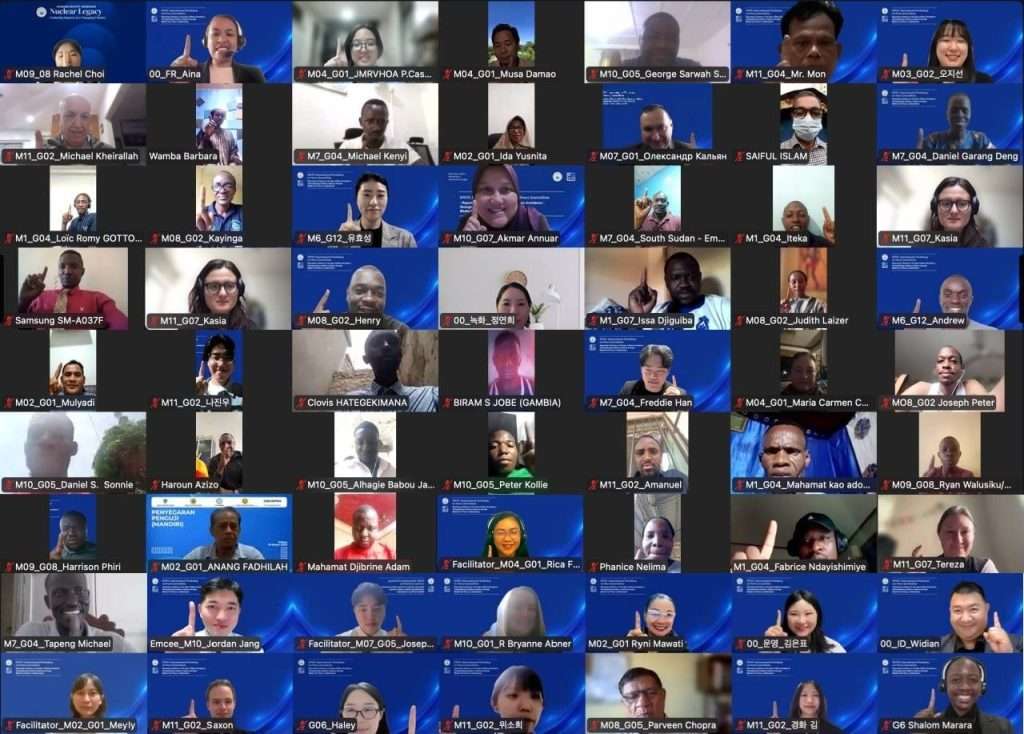
Ethiopia Today (Addis Ababa) April 20, 2026: In a bid to counter the rising global trend of “news avoidance,” approximately 220 journalists from across the globe gathered for the HWPL International Workshop on Peace Journalism Studies.
Held under the theme “Reporting Solutions in the Age of News Avoidance: Strengthening Audience Agency through Media-Civil Peace Collaboration,” the virtual event challenged media professionals to move beyond traditional conflict reporting and embrace a solutions-oriented approach.
The workshop highlighted that modern audiences are increasingly turning away from news due to its perceived negativity. To address this, the forum explored how journalism can actively reduce social tension and foster stability.
Indonesian journalist Achmad Yani presented a critical analysis of the Thailand-Cambodia conflict, revealing that while 64% of global media coverage focused on military clashes, the plight of over 200,000 displaced civilians was largely ignored.
“The media shapes public understanding by selecting what to include and exclude,” Yani noted, calling for a shift toward victim-centered narratives that explore peaceful resolutions rather than just battlefield metrics.
The discussion also delved into the deep-rooted link between peace and human rights. Journalist and legal scholar Ida Yusnita emphasized that peace is not merely the absence of war but a condition grounded in justice and equality.
Meanwhile, Professor José Nicolás Arroyo Ramos from the Dominican Republic warned of the rise of “discursive violence” in the digital age. He argued that unverified, emotionally driven content often simplifies complex global issues into polarized “us versus them” narratives, fueling division even in the absence of physical force.
To turn these theories into practice, the workshop introduced the Media and Global Peace Platform (MAGP), a new global network designed to connect journalists and NGOs.
Organizers stated that the initiative aims to transform the media from simple conveyors of information into proactive architects of social harmony.
“This workshop reaffirmed that the media are key actors in building peace,” the organizers concluded, pledging to expand international cooperation to ensure journalism serves as a tool for constructive dialogue rather than a catalyst for conflict.