
By: Our Staff Reporter
Ethiopia Today (Addis Ababa, May 10, 2026): As the war in Iran disrupts global oil supplies and sends fuel prices skyrocketing, Ethiopia has emerged as the unlikely leader of Africa’s rapid shift toward electric vehicles (EVs).
Faced with a staggering $4.2 billion annual fuel bill and severe shortages caused by the closure of the Strait of Hormuz, the Ethiopian government took the radical step of banning internal combustion engine imports in 2024.
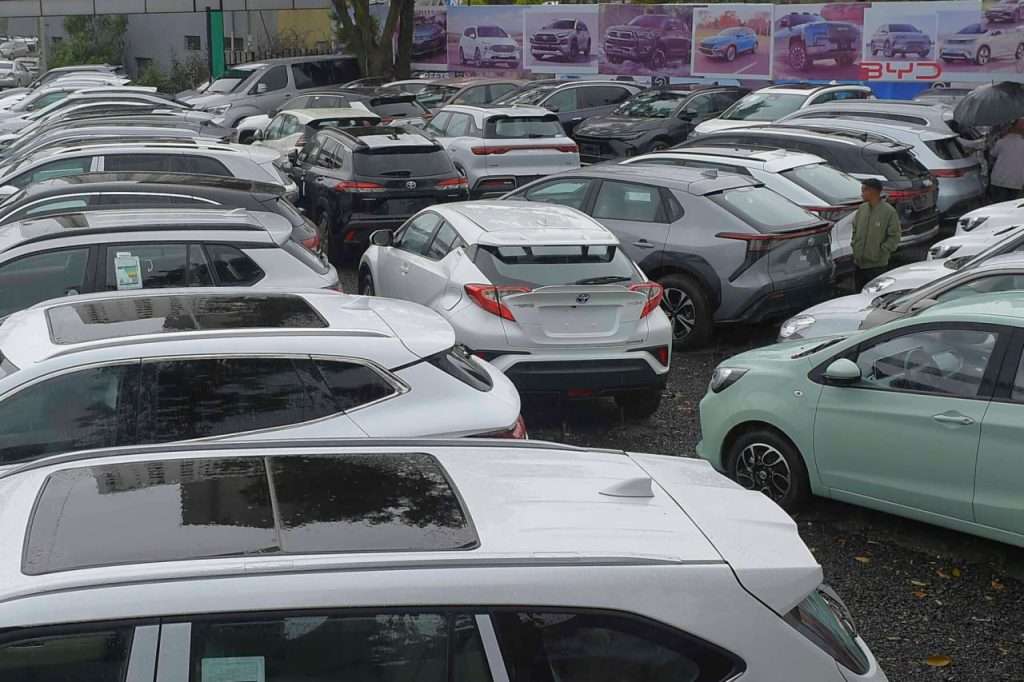
This policy gamble is paying off: by early 2026, over 115,000 EVs will be patrolling Ethiopia’s streets—accounting for roughly 8% of the national fleet.
The country now serves as the primary gateway for Chinese EV exports to the continent, absorbing nearly a third of all shipments as it leverages its massive renewable energy reserves, anchored by the Grand Ethiopian Renaissance Dam, to power a cleaner, self-sufficient future.
While the transition offers a vital buffer against global energy shocks, reducing a driver’s monthly “fuel” costs from $27 to just $4, significant hurdles remain.
Charging infrastructure is currently concentrated in Addis Ababa, and the high upfront cost of electric cars remains a barrier for many citizens. Nevertheless, with 17 assembly plants already operational and plans for 60 more by 2030, Ethiopia is not just changing how its people travel; it is rewriting the economic blueprint for energy security in the developing world.
As other nations like South Africa, Egypt, and Morocco follow suit, the continent is proving that out of necessity comes a high-speed charge toward a greener horizon.
Key Highlights of the Shift
| Feature | Impact in Ethiopia (2026) |
| EV Fleet Size | Over 115,000 vehicles (approx. 8% of total fleet) |
| Fuel Savings | Monthly charging cost of $4 vs. $27 for gasoline |
| Local Industry | 17 assembly plants active; goal of 60 by 2030 |
| Energy Source | Over 90% renewable (Hydro and Solar |



