By: Our Staff Reporter
Ethiopia Today (Addis Ababa) April 29, 2026: A wave of violence and police crackdowns has left the Ethiopian community in South Africa reeling after a series of shootings in Johannesburg claimed the lives of four Ethiopians and two Nigerians this past week.
The killings coincided with South Africa’s Freedom Day celebrations, casting a grim shadow over the national holiday.
According to Dessie Alebachew, an official at the Ethiopian Embassy in Pretoria, the violence is part of a disturbing and escalating trend. “These killings are not new; they have been happening for some time. However, the scale and frequency are increasing,” Alebachew told ET.
Three of the victims were reportedly gunned down while going out to eat, while a fourth Ethiopian national was killed in a separate attack just a day later. While some local reports suggest the violence stems from personal disputes, embassy officials and community leaders fear the motive is rooted in deep-seated xenophobia.
Parallel to the violence, South African authorities have intensified operations against migrant-owned businesses. In the villages of Mokwakwaila, Ga-Mokwati, and Ga-Ramotshinyadi, a joint operation by police and immigration officers led to the arrest of ten Ethiopians, aged between 19 and 35.
The detainees are accused of residing in the country without valid permits. Additionally, two other foreign nationals with legal documentation were arrested for allegedly employing undocumented workers. All 12 individuals are expected to appear before the Bolobedu Magistrate’s Court today, Wednesday, April 29, 2026.
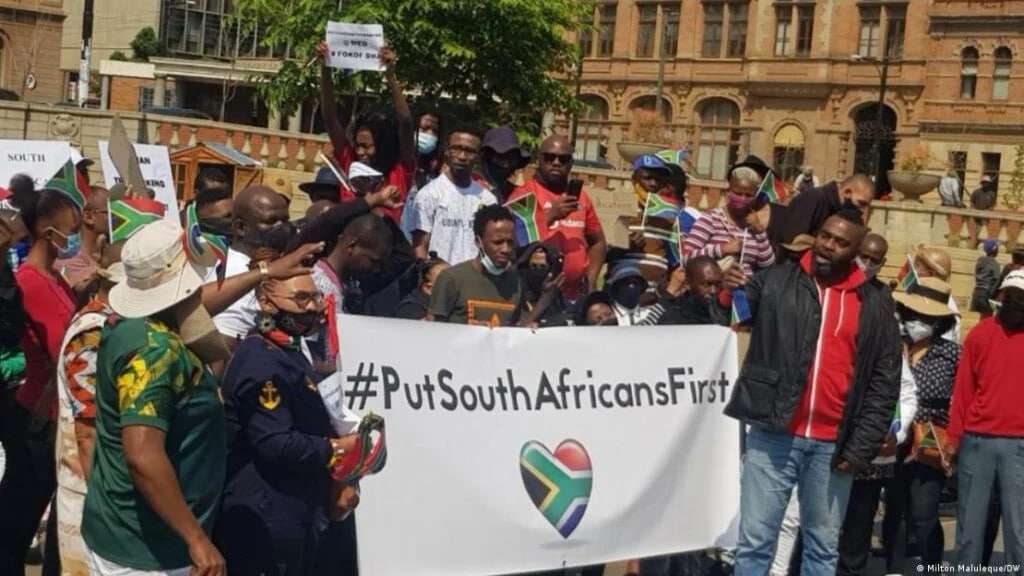
The recent events highlight the increasingly precarious position of African migrants in South Africa. Analysts point to the rise of organized vigilante groups like the Dudula Movement, which has transitioned from social media activism to conducting street-level raids. These groups often accuse migrants of fueling unemployment and crime, using slogans like “Abahambe” (They must go) to pressure foreigners to leave.
The Ethiopian government has engaged in high-level discussions with South African authorities regarding the safety of its citizens, citing previous incidents of arson and violence in areas like East London.
“The South African government has acknowledged the gravity of the situation,” Alebachew noted. “The President has issued directives to law enforcement, recognizing that these incidents not only threaten foreign nationals but also tarnish South Africa’s international image and risk sparking conflict between African brothers.”
While the Ethiopian Embassy awaits the final police investigative report to determine the exact cause of the Johannesburg shootings, the social climate remains volatile. For many Ethiopian migrants running small grocery stores (spaza shops) and restaurants, the dream of economic opportunity is increasingly being replaced by the daily reality of fear and surveillance.