By: Our Staff Reporter
Over 700 delegates from 85 countries, including Ethiopia, gathered in Russia’s first science city
Addis Ababa (Ethiopia Today), July 3, 2026: As Ethiopia accelerates its plans to introduce peaceful nuclear technology into its national energy mix, the country’s young scientists are making significant waves on the international stage.
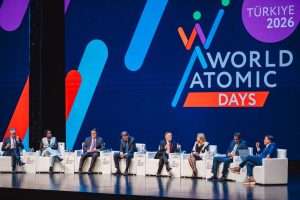
At the recently concluded fourth Obninsk NEW-2026 International Youth Forum in Russia, which drew over 700 delegates from 85 nations, Ethiopian youth leaders stood out among the global elite, signaling the country’s rising prominence in the future of nuclear energy.
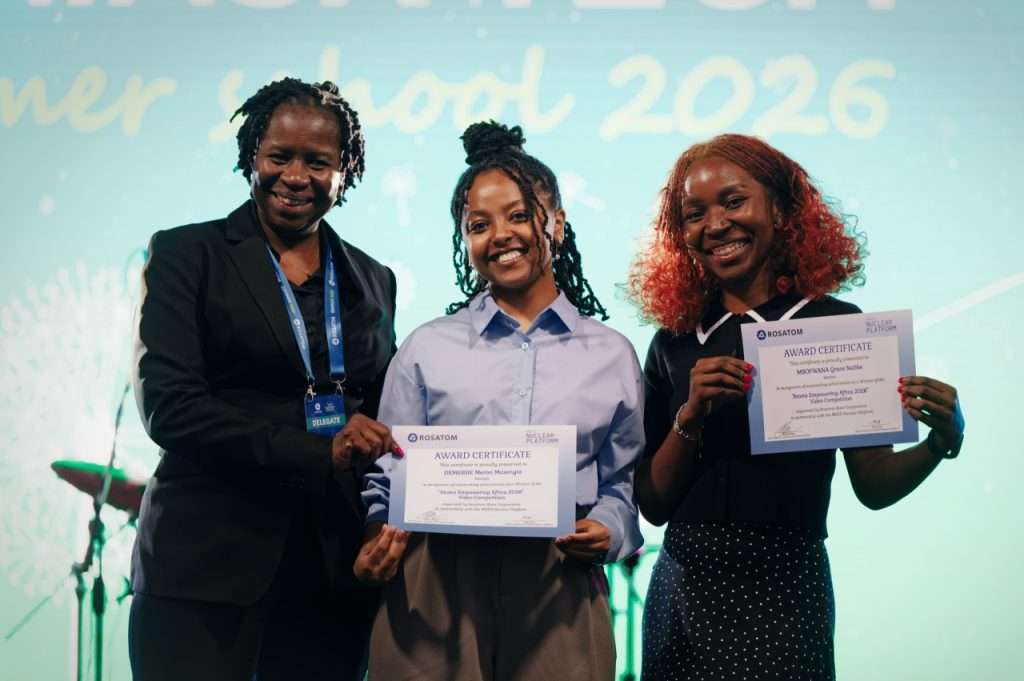
Among the standout achievers was Ethiopian researcher Meron Mazenga Demesse, who emerged as a winner of the “Atoms Empowering Africa” video contest, an initiative organized by Rosatom in partnership with the BRICS Nuclear Platform.
“I was particularly interested in how nuclear technologies can support development in areas important for Ethiopia, including energy, education, and agriculture,” Meron noted, highlighting how the forum provided a fresh perspective on tackling domestic developmental challenges.
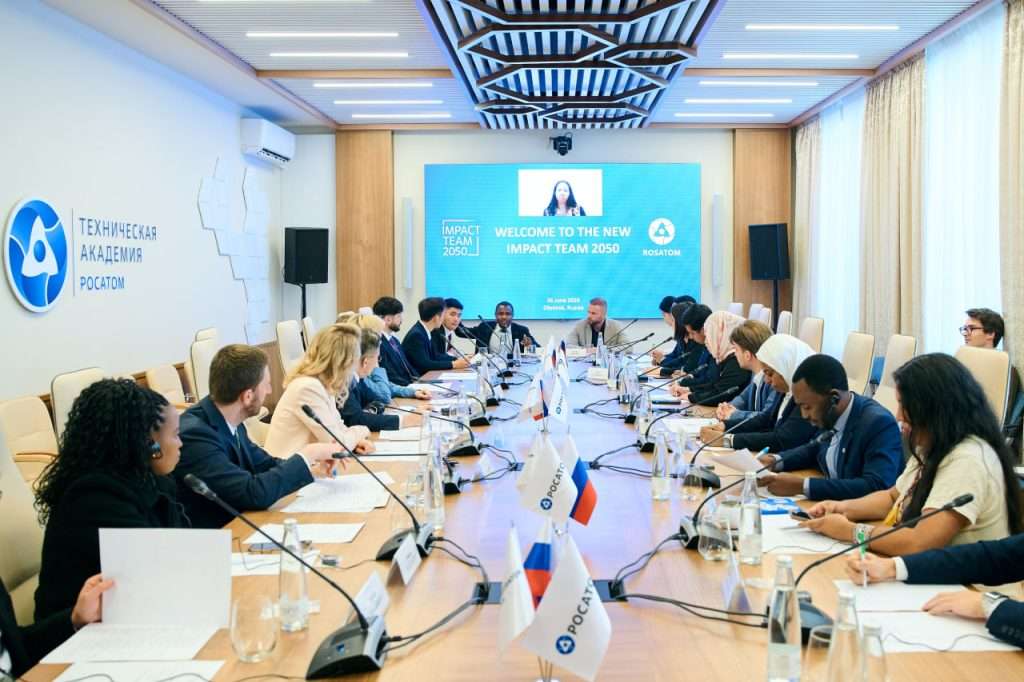
Ethiopia’s influence at the forum extended directly into high-level advisory circles. Yohannes Bimrew Simegn was selected as a member of Impact Team 2050, an elite international youth advisory council that meets directly with Rosatom Director General Alexey Likhachev. Yohannes, alongside peers from 13 countries, including Rwanda, Tanzania, and South Africa, engaged in strategic discussions on how peaceful nuclear energy can drive the United Nations Sustainable Development Goals (SDGs).
This global exposure comes at a critical juncture for Ethiopia’s domestic energy strategy. The historic partnership between Addis Ababa and Moscow in peaceful nuclear tech has been growing since 2017. Most notably, in September 2025, Rosatom and the Ethiopian Electric Power Corporation signed a comprehensive Action Plan to advance the construction of Ethiopia’s first nuclear power plant, focusing heavily on infrastructure development and workforce training.
With the International Atomic Energy Agency (IAEA) projecting global nuclear capacity to triple by 2050, the race is on to train the tens of thousands of specialized engineers required to run the new energy landscape.
Ethiopia’s active involvement in projects like Obninsk Tech, a premier international nuclear education hub aiming to train 10,000 global specialists by 2030, ensures that the next generation of Ethiopian engineers will be fully equipped to manage the country’s high-tech transition.
By taking center stage in Obninsk, Ethiopia’s brilliant young minds have made one thing clear: the nation is not just preparing to adopt nuclear energy; it is actively training the leaders who will run it.