By: Dawit Astatike
Ethiopia Today (Addis Ababa) November 26, 2026: Prime Minister Abiy Ahmed stated that Ethiopia’s long-delayed local elections could take place in approximately one year, following the completion of pending by-elections.
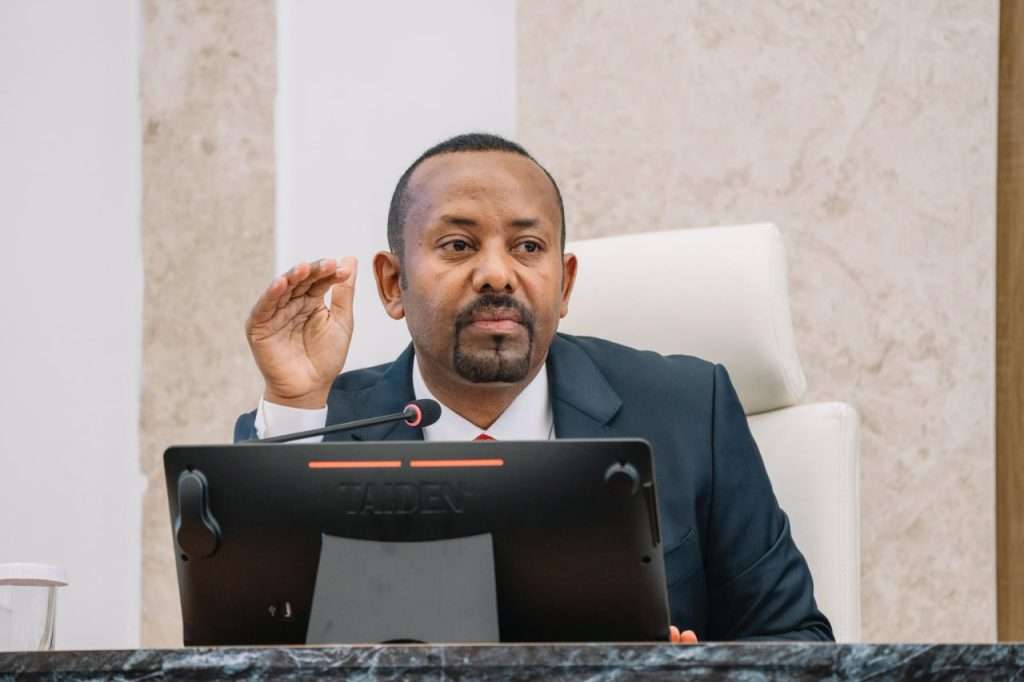
Addressing the fourth regular session of the seventh House of Peoples’ Representatives on Thursday, November 26, 2026, the Prime Minister responded to formal inquiries from opposition lawmakers regarding the prolonged absence of local-level polls and their omission from the government’s current annual agenda.
Dr. Aweke Amzaye, an elected parliamentarian representing the Ethiopian Citizens for Social Justice (EZEMA) party, noted that nearly 15 years have passed since Ethiopia last held local elections.
Citing Proclamation No. 1162/2011, which mandates regular elections for nationality zone, zone, woreda, city, sub-city, and kebele councils, Dr. Aweke argued that unelected “transitional councils” have been in power since 2013.
Lack public recognition and have become sources of poor governance. He further criticized the omission of a local election timetable from President Taye Atske-Selassie’s joint parliamentary opening speech, warning that skipping three consecutive electoral cycles undermines claims of democratic consolidation.
In his response to the House, Prime Minister Abiy explained that the administration’s immediate electoral priority is conducting by-elections this year specifically in Tigray and other pending constituencies before transitioning to local polls.
He noted that local elections are ideally held mid-term following general elections, adding that because the general election was conducted recently, local polls were intentionally left out of the President’s address for the current year and will be included once preparations begin next year.
According to the National Election Board of Ethiopia (NEBE), which holds the constitutional mandate to administer all federal and local polls, an estimated three million candidates will be required to contest local council seats once the process commences.
Since its establishment, NEBE has conducted four local elections in 1996, 2001, 2008, and 2013, following an initial poll in 1992; during the last local elections held in April 2013, over 31.6 million voters registered, and more than 3.5 million of the 3.6 million candidates belonged to the former ruling EPRDF coalition and its affiliates.