The Commission says it saves 12 billion birr over five years through proactive anti-corruption measures
By: Dawit Astatike
Ethiopia Today (Addis Ababa), November 25, 2026: The Federal Ethics and Anti-Corruption Commission (FEACC) has publicly identified the government institutions and economic sectors most heavily affected by corruption in Ethiopia, naming immigration, customs, vital events registration, police stations, courts, checkpoints, land administration, mining, real estate, and construction among the primary hotspots.
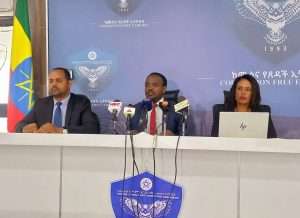
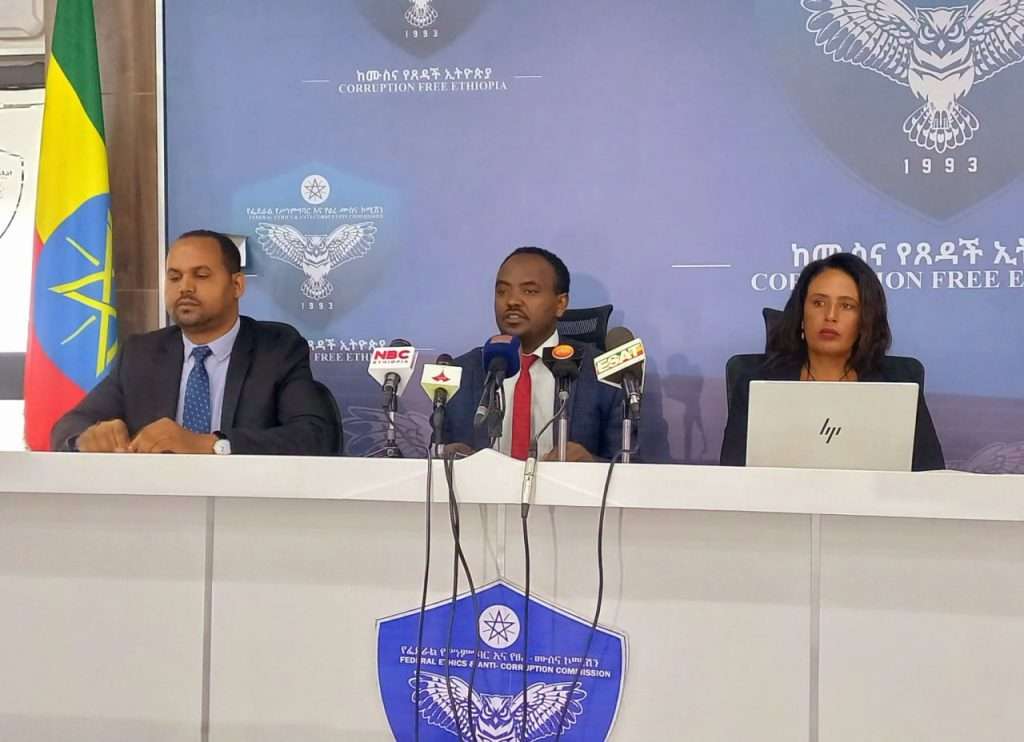
Speaking at a press briefing marking the 23rd International Anti-Corruption Day observed nationwide throughout November under the theme “Exposing Hidden Networks to Break the Chain of Corruption-Induced Crimes,” the Commission warned that corruption spanning from local kebele offices to federal agencies has become deeply intertwined with organized crime, severely undermining national security and economic stability.
According to the Commission, corrupt networks facilitating human trafficking operate across vital event offices, immigration, border enforcement, traffic police, and the judiciary. Corrupt officials accept bribes to issue falsified birth certificates, IDs, and passports to underage youths, while border and traffic officers allow smugglers to pass unchecked.
When traffickers are arrested, corruption within police stations and courts frequently results in destroyed evidence, witness intimidation, and unlawful releases on inadequate bail leaving victims vulnerable to death at sea or in deserts, forced labor, sexual violence, and organ trafficking, while exposing borders to weapons smuggling and terrorism.
The briefing also highlighted rampant illicit financial flows across customs, tax authorities, banks, real estate, and construction. Importers and exporters collude with corrupt tax and customs personnel to falsify trade invoices—over-invoicing imports and under-invoicing exports—to siphon foreign currency into offshore accounts.
Within the banking sector, illicit money dealers conspire with compromised employees to distort foreign currency allocations and launder money.
Proceeds from these crimes are routinely funneled into urban real estate and construction at inflated prices, draining billions of dollars annually, exacerbating inflation and housing costs, and depriving the country of vital currency needed for fuel and medicine.
In the mining and natural resources sector, corrupt licensing and land administration officials grant permits to shell companies without proper environmental assessments, turning a blind eye to land grabs and ecological damage. Meanwhile, bribes at checkpoints allow gold and precious stones to be smuggled into neighboring countries rather than entering the National Bank of Ethiopia.
The Commission specifically flagged major trade corridors and checkpoints, including Modjo Dry Port, Togo Wuchale, Moyale, Metema, Jigjiga, and Galafi, as high-risk zones for contraband and bribery.
It warned that the resulting tax evasion and capital flight weaken public development budgets, push legitimate businesses out of the market, deter investment, fuel armed criminality, and force the government to divert development funds toward security operations.
Finally, the Commission urged citizens to stop paying bribes, reminding service seekers that doing so forces them to illegally buy rights they are already entitled to by law.