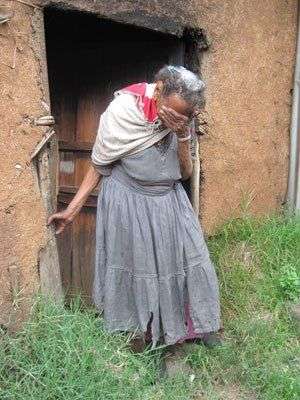
Addis Abeba (Ethiopia Today) January 23, 2023 :- A new study by HelpAge revealed that 87 per cent of older people, both the diversity and quantity of food available to them and their households had declined due to the food, energy and finance crisis Ethiopia is facing today.
According to the survey Studied i in 10 different countries, including Ethiopia,, older people are not eating adequate quantities of food. 92 per cent of older women (as compared to 43 per cent of older men) had poor consumption scores, which indicates that they are in need of urgent interventions to improve their food security and nutrition status. Average household incomes are decreasing, while food and fuel prices are skyrocketing.
“These ongoing crises have worsened poverty and further eroded people’s livelihoods.
Older people can no longer afford enough food and basic necessities and are on the brink
of survival,” the survey adds .
“Most households are coping by eating cheaper food (100 per cent of the survey participants), reducing the number of meals per day (97 per cent), and reducing the amount they eat per meal (97 per cent). This is having detrimental effects on older people’s nutritional and health status, making them far less resilient to future shocks.”
A surge in energy costs has forced older people to use cheaper energy sources and limit
the number of times they cook their meals. “I paid my whole pension this month for my
electric bill. I used to pay 600Birr (approx. 11USD, now I pay 1200Birr (approx.22USD)”,
survey participant said.
Older people’s livelihoods are also severely impacted as they have very little savings to draw upon, and limited access to social protection. Only 7.3 per cent of older people in Ethiopia receive a pension, of which only 10 per cent are women. “The impact of the crisis on older people’s livelihoods is aggravated by the fact that most of them lack adequate savings, access to credit and social protection.”
Access to low-cost credit could substantially enhance older people’s coping mechanisms,
but formal financial institutions are reluctant to provide loans as they lack assets for
collateral, HelpAge said, quoting a survey participant: who said: “Neither banks nor micro-
finance institutions take older people as credit-worthy.”
In a rapid needs assessment conducted by HelpAge International, among older people in
Borena region, 71 per cent of respondents indicated that their businesses and livelihoods
have been negatively affected by the COVID pandemic and 60 per cent of all respondents
said that accessing food was their main priority. Another study conducted in East Gojjam
districts, northwest Ethiopia revealed that over 60 per cent of 2,120 interviewed households were
food insecure and that COVID-19, climate, agro-ecological conditions and price inflation
were the key drivers.
Among the major factors driving Ethiopia’s food, fuel, finance crisis include the prolonged
drought and economic insecurity, the impacts of COVID-19, the armed conflict in
northern Ethiopia as well as the Russia-Ukraine war, the survey said.
To ease the hardships faced by older people in Ethiopia, HelpAge recommended urgent
action by the Ethiopian government including subsidizing essential goods such as edible
oil, wheat flour, and sugar; continued fertilizer subsidies to farmers to improve their productive capacity; provide better access to social protection which can be a safety net for older people to meet their most immediate needs; and urgently work towards a peaceful settlement in the conflict affected areas.