
By: Our Staff Reporter
Ethiopia Today (Addis Ababa) october 28,2026: Ethiopia’s expanding electricity generation capacity, abundant renewable energy resources, and growing role in regional power trade provide a strong foundation for national economic development and energy security, according to a new Energy Policy Review by the International Energy Agency (IEA).
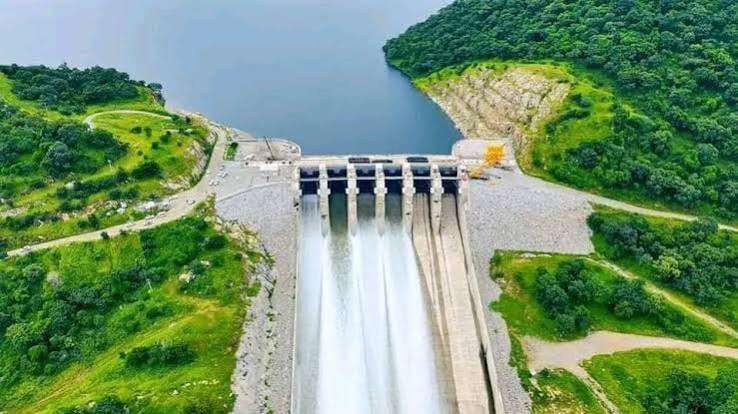
The key findings of the review were presented on 27 October by Syrine El Abed, IEA Africa Programme Manager, during the Energy Day of the Ethiopian Water and Energy Week, highlighting how large-scale infrastructure investments like the Grand Ethiopian Renaissance Dam (GERD) have positioned the country as a major potential regional electricity supplier.
Ethiopia’s national electricity access rate rose from around 12% in the early 2000s to approximately 35% in 2024; however, around 85 million people remain without basic access, particularly in rural communities, meaning continuous grid expansion and off-grid solutions will be vital to hit targets of 75% access by 2030 and universal access by 2035.
High network losses and unreliable electricity supplies continue to constrain households, businesses, and broader economic development, emphasizing an urgent need for comprehensive grid modernization, improved utility performance, and integrated power system planning.
Renewables accounted for roughly 90% of Ethiopia’s total energy supply in 2024, with bioenergy leading cooking fuel shares and hydropower serving as the grid’s backbone, though tapping into expansive solar, wind, and geothermal resources is critical to diversify the power mix and minimize climate and hydrological risks.
Ethiopia’s reliance on imported petroleum products also exposes its economy to international fuel market volatility, meaning that expanding domestic renewable applications in agriculture and industry, exploring domestic natural gas, and strengthening regional power trade can sharply improve energy security and boost productivity.
Roughly 120 million people in Ethiopia still relied on traditional cooking methods in 2024, keeping clean cooking access at a stagnant 7%, making it one of the nation’s most pressing challenges on the path toward targets of 58% clean cooking access by 2030 and 76% by 2035 primarily driven by electric cooking and advanced biomass stoves.
Addressing high upfront equipment costs through targeted financial support, consumer financing, and robust supply chains will be crucial, alongside integrating clean cooking projections directly into power sector planning to anticipate new electrical demands.
Delivering these grand energy ambitions requires vastly scaled-up investments from both public and private sectors, moving past the current heavy concentration in public grid projects to overcome high financing costs, foreign exchange constraints, and project bankability hurdles.
As the host of COP32 in 2027, Ethiopia holds a landmark opportunity to place itself and the entire African continent at the absolute center of the global dialogue on sustainable energy transition, climate action, and regional integration



