By: Dawit Astatike
Addis Ababa (Ethiopia Today), July 18, 2026: Ethiopia has officially cemented its status as a foundational player in global technology governance by becoming a founding member of the newly established World Artificial Intelligence Cooperation Organization (WAICO).
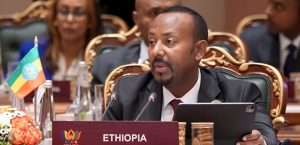
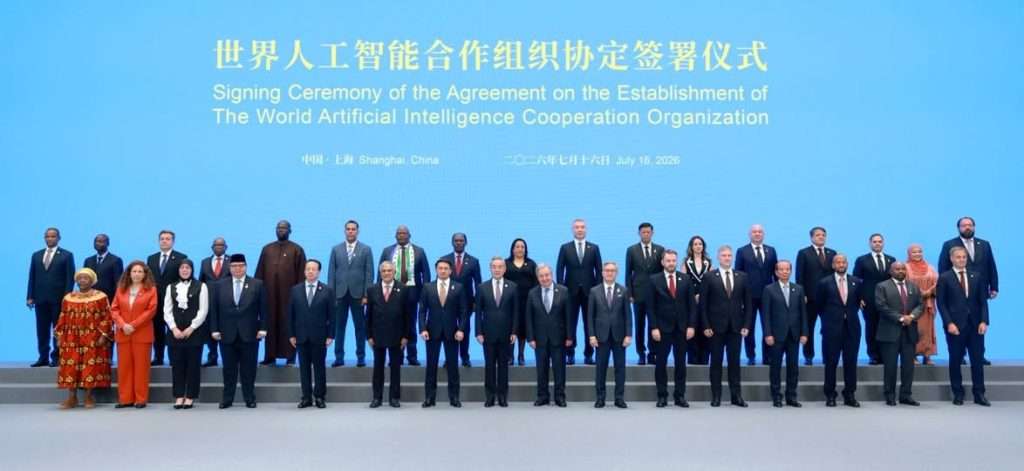
Ethiopia’s Minister of Innovation and Technology, Dr. Belete Molla, signed the landmark intergovernmental agreement during a high-level summit at the 2026 World AI Conference and High-Level Meeting on Global AI Governance in Shanghai, positioning the nation alongside 29 other pioneering countries to shape the future of safe, equitable, and inclusive artificial intelligence.
Headquartered in Shanghai, the newly formed intergovernmental body aims to bridge the widening global digital divide and ensure that the rapid evolution of AI technologies serves the collective interest of humanity.
The establishment of WAICO follows principles aligned with the United Nations Charter, emphasizing a people-centered approach to technological development.
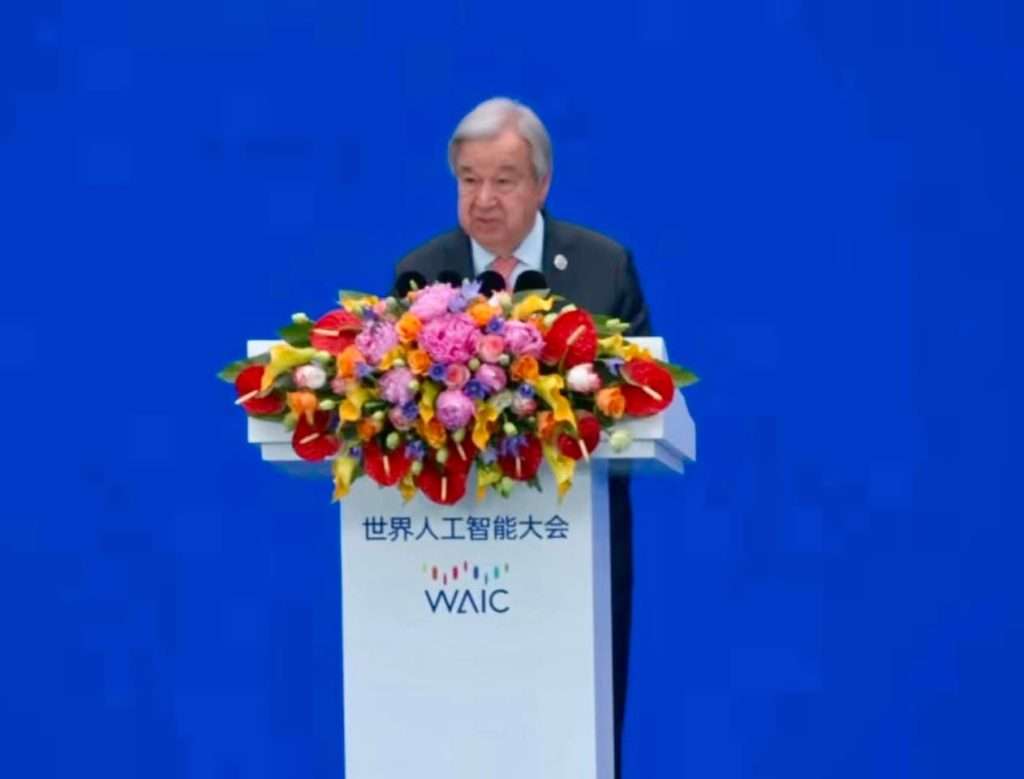
Alongside Ethiopia, the initial cohort of founding members includes nations such as China, Russia, Pakistan, Kazakhstan, Indonesia, and Laos, with Chinese Foreign Minister Wang Yi signing the accord on behalf of the host country.
For Ethiopia and the broader Global South, founding membership provides a critical strategic advantage. The organization’s core mandate includes actively assisting developing nations with capacity building to prevent historical digital injustices.
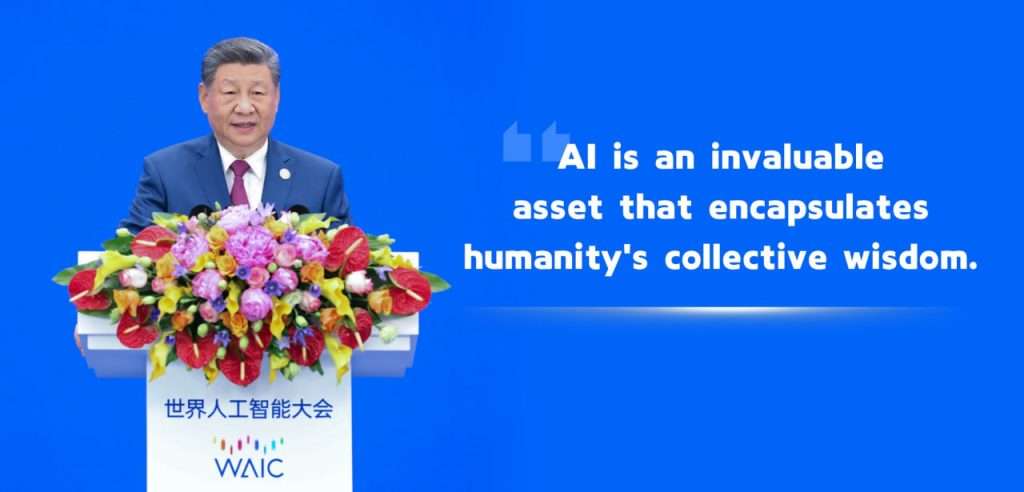
Chinese President Xi Jinping on Friday presented four observations on artificial intelligence (AI) development and governance while addressing the opening ceremony of the 2026 World AI Conference and High-Level Meeting on Global AI Governance
“We must carry out extensive international cooperation and help Global South countries with capacity building to bridge the AI and digital divides, promote sustainable development, and prevent creating new historical injustice in AI,” he said
As AI increasingly transitions from the digital sphere into physical industries, Ethiopia’s early inclusion ensures it can leverage open-source collaborations and tech sharing to modernize traditional economic sectors while preventing the country from being left behind by rapid global advancements.
The collective vision outlined at the Shanghai summit focuses on four primary pillars: fostering open innovation through win-win collaborations, establishing robust risk-management and legal frameworks to keep AI securely under human control, protecting cultural diversity from being eroded by algorithmic values, and practicing true multilateralism.
By securing a seat at the table from day one, Ethiopia is positioned to directly influence the international rules, ethical standards, and technical benchmarks that will govern frontier technology for decades to come.