By: Our Staff Reporter
Ethiopia Today (Addis Ababa) May 18, 2026: Three years after its review by the United Nations Committee Against Torture (CAT) in May 2023, Ethiopia continues to face a “very high risk” of torture and ill-treatment due to a critical lack of legal safeguards and structural reforms, according to the World Organization Against Torture’s Global Torture Index.
Despite the federal government’s repeated verbal commitments to fundamental rights, severe legal gaps remain unaddressed, as torture is still not defined as a standalone offense in alignment with Article 1 of the UN Convention, causing severe abuse cases to frequently be prosecuted under drastically downgraded minor charges.
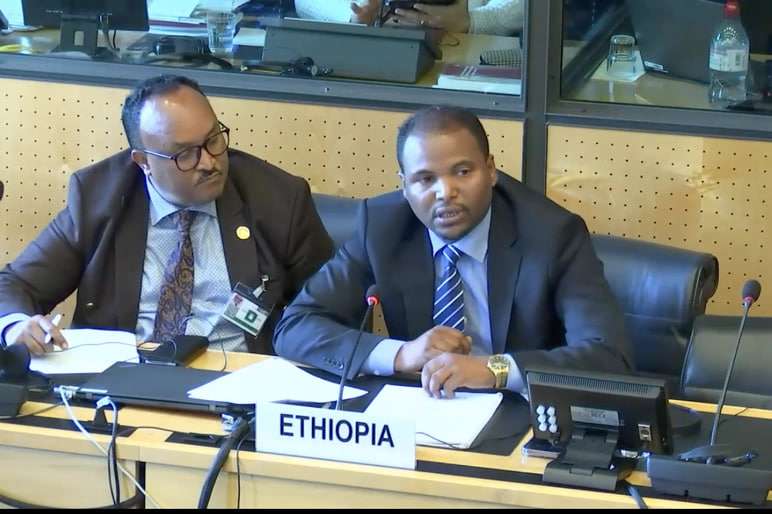
On the ground, systemic violations of detention safeguards continue to plague the justice system, with individuals routinely facing delayed or entirely denied access to legal counsel, prolonged detention without judicial oversight, an absence of information regarding their arrests, and dangerous waves of incommunicado detention within security-sensitive contexts.
This culture of widespread impunity is heavily exacerbated by the absolute absence of an independent investigative mechanism, meaning allegations of abuse are routinely probed by the very institutions implicated in the crimes, while victims face severe retaliation, office raids, and intimidation for attempting to gather forensic or medical evidence.
Compounding these human rights violations are the increasingly cruel, inhuman, and degrading conditions inside overcrowded Ethiopian prisons and police stations, which suffer from poor sanitation, highly restricted medical access for injuries, and a complete failure to separate different categories of inmates.
Furthermore, security forces continue to utilize disproportionate and excessive force during public protests and conflict-zone operations without clear operational guidelines or subsequent accountability. This repressive environment has triggered an escalating crackdown on civic space, leaving human rights defenders exposed to pervasive state surveillance, arbitrary arrests, and targeted thefts of their investigative materials.
To break this cycle of systemic violation and impunity, international human rights bodies have issued ten urgent, mandatory recommendations for immediate national execution. First, Addis Ababa must enact a specific law that explicitly criminalizes and defines torture in full compliance with the UN Convention, while simultaneously establishing a robust, fully independent monitoring system to investigate allegations against public officials and ensure strict legal accountability.
Structurally, the government must eliminate the practice of detaining individuals in unofficial military camps or black sites, shorten pre-trial custody by introducing a mandatory maximum duration, and officially ratify the UN Convention against Enforced Disappearance to end state-sponsored abductions.
Culturally, the state needs to implement comprehensive national legislation that protects human rights defenders from harassment, releases those jailed for their advocacy, and introduces specialized laws to combat gender-based violence, particularly by intimate partners, while safeguarding survivors, families, and testifying witnesses from state reprisals.
Finally, Ethiopia must build tailored, inclusive rehabilitation and transitional justice frameworks for victim reparation, heavily regulate law enforcement by enacting clear national laws on the use of weapons, mandate standardized human rights training for all officers, and drastically strengthen its collaboration with global watchdogs, including the UN Subcommittee on Prevention of Torture and specialized Special Rapporteurs.