
By: Our Staff Reporter
Addis Ababa (Ethiopia Today), June 25, 2026: The Board of Directors of the African Development Fund (ADF) has officially approved a $9 million grant aimed at deeply integrating financial and capital markets across East Africa and the Horn of Africa.
Funded through the ADF’s 16th replenishment cycle, the capital injection will back the East Africa and Horn of Africa Capital Markets and Payment Systems Integration Project (EAC-CAMPSI).
The regional initiative is designed to dismantle traditional barriers to cross-border investing, maximize the overall efficiency of local financial markets, and significantly expand access to essential long-term financing.
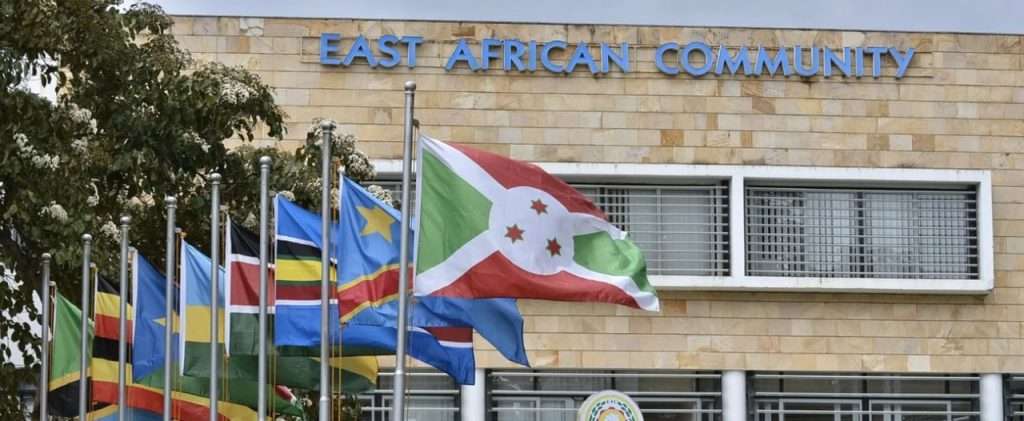
The project will be actively implemented by the East African Community (EAC) Secretariat, directly spanning nine countries across the region: Burundi, the Democratic Republic of Congo, Ethiopia, Kenya, Rwanda, Somalia, South Sudan, Tanzania, and Uganda. By upgrading market infrastructure and modernizing payment platforms, the project aims to establish a highly competitive, integrated capital network.
Beyond corporate growth, the framework is engineered to make everyday financial services more accessible to citizens, enhance the regulatory capacity of participating nations, and deliberately foster greater inclusion for women and youth in the regional financial sector.
Strategically, the initiative aligns with the East African Community Cross-Border Masterplan (2025–2030) and directly feeds into the broader goals of the African Continental Free Trade Area (AfCFTA) by building the robust financial foundation necessary to sustain large-scale regional trade.
EAC Secretary General Stephen Patrick Mbundi emphasized that the future of East Africa’s economic health hinges on the seamless, unimpeded movement of capital alongside standard goods and services.
Adding to this, Ahmed Attout, the Bank Group’s Director for Financial Sector Development, noted that integrated financial markets are entirely essential to Africa’s economic transformation, proving vital to mobilizing domestic capital and securing long-term economic resilience. The project was officially approved on June 12, 2026.



