By: Our Staff Reporter
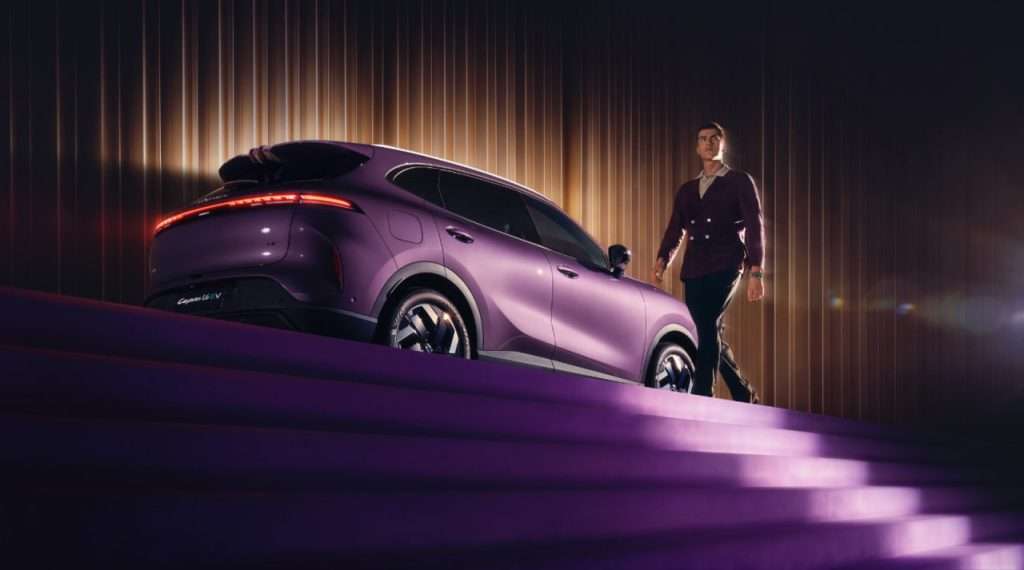
Addis Ababa (Ethiopia Today), August 5, 2026: Chery Group officially launched the LEPAS L6 EV in Thailand on July 24, marking the global debut of its new energy vehicle (NEV) brand, LEPAS. The all-electric crossover SUV is scheduled for subsequent rollout across additional international markets.
The model is built on Chery’s proprietary LEX Platform and incorporates a 12-in-1 electric drive system. The powertrain is paired with a chassis tuned by European engineers and uses the Bosch IPB 2.0 braking system.
Power delivery and thermal regulation systems allow the vehicle’s battery pack to operate in extreme ambient temperatures ranging from -25°C to 55°C. The electric SUV provides a certified WLTC combined driving range of 450 km per charge.
The vehicle includes external power capabilities, featuring a standard 3.3 kW Vehicle-to-Load (V2L) external power output. This system provides electrical power for external tools and appliances directly from the main battery.
Interior spatial design achieves a 65.2% cabin space utilization rate. The layout includes 39 concealed storage compartments throughout the cabin and a recessed rear luggage space designed for cargo and equipment storage.
Cabin features include a floating central infotainment display, a 1.12 m² panoramic sunroof, quilted seats and door panels, and floating speakers.
Digital systems inside the cabin are centered around an artificial intelligence voice assistant capable of processing full-cockpit voice commands and remote vehicle operations. Pre-configured operational settings include Nap Mode, Refresh Mode, Baby Mode, Camping Mode, and Pet Mode.
The driver assistance suite includes a 360-degree panoramic surround-view camera system, Automatic Parking Assist (APA), and Remote Parking Assist (RPA). Higher-tier configurations incorporate a second-generation Super Intelligent Valet Parking (SIVP) system.
The vehicle body structure is engineered to meet 2026 Euro NCAP safety standards, utilizing high-strength steel for 73.77% of the frame alongside a lightweight front crash beam for impact absorption.
Passive safety systems consist of seven interior airbags configured with long-term pressure retention technology to mitigate sustained secondary impacts.
Post-collision safety protocols include four redundant mechanical door-unlocking mechanisms and an automated secondary-collision mitigation system designed to lock brakes after an initial crash.
Battery protection standards include ingress protection certified to IP68 and IPX9K ratings, providing water and dust resistance under varied driving conditions.