By: Dawit Astatike
Ethiopia Today (Addis Ababa) May 17, 2026: With less than two weeks remaining before Ethiopia’s highly anticipated seventh general election on June 1, 2026, the National Election Board of Ethiopia (NEBE) has requested an urgent supplementary budget of nearly 10 billion Birr. If approved by parliament, this massive cash injection will double the Board’s total annual budget, pushing it past the 20 billion Birr mark.
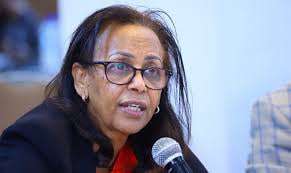
During a closed-door meeting with parliament’s Plan, Budget, and Finance Standing Committee, NEBE Chairperson Melatwork Hailu defended the multi-billion Birr request. A primary driver for the emergency funding is the immediate need to prepare for a potential second round of elections.
NEBE officials stressed that security challenges or contested results in volatile areas could disrupt the June 1 schedule, making early runoff preparations non-negotiable. Furthermore, the Board cited severe logistical cost pressures, including skyrocketing fuel prices, rising warehouse rentals, post-election auditing, and the massive deployment of over 195,000 personnel to manage the voting process for more than 50 million registered voters.
The request for additional billions comes amid brewing tension between NEBE and the country’s political factions. Ahead of the vote—which features 47 officially registered political parties—several opposition groups and candidates expressed deep grievances, accusing the Board of failing to disburse regular annual funding and campaign financial support on time.
NEBE was not the only democratic institution demanding more financial muscle ahead of the new fiscal year starting in July 2026. The Ethiopian Human Rights Commission (EHRC) faced intense parliamentary scrutiny over a staggering 290 percent budget increase over last year.
The EHRC is seeking 753 million Birr from the state treasury, along with an additional 402 million Birr from external donors, bringing its total requested budget to 1.1 billion Birr. EHRC Chief Commissioner Birhanu Adelo cited mounting operational hurdles, even pointing out a highly unusual bureaucratic bottleneck: the Federal Housing Corporation’s ongoing failure to provide official housing for parliament-appointed commissioners, despite a direct intervention from House Speaker Tagesse Chafo.
With the June 1 election date looming and tens of millions of voters preparing to head to the polls, parliament is under immense pressure to finalize these massive financial allocations to guarantee both logistical success and human rights oversight during a critical political transition.