
By: Our Staff
Ethiopia Today (Addis Ababa), October 21, 2026: Ethiopia is accelerating efforts to position avocado as a leading foreign exchange earner within its horticulture sector, targeting a yield of over 37 million quintals from more than 182,000 hectares during the 2019 Ethiopian Fiscal Year, following a successful harvest of over 28 million quintals from 157,000 hectares in the 2018 fiscal year.
The strategic shift toward high-value horticulture comes as global and regional demand for Ethiopian avocados continues to surge. While coffee historically dominates agricultural exports, avocado production has rapidly transformed from a domestic subsistence crop into a vital driver of foreign currency earnings, youth employment, and rural income growth.
Ethiopia’s diverse agro-ecological conditions, featuring fertile soils, favorable climates, and reliable rainfall, provide optimal growing environments across multiple regional states, including South Ethiopia, Central Ethiopia, Sidama, South West Ethiopia, Oromia, and Amhara.
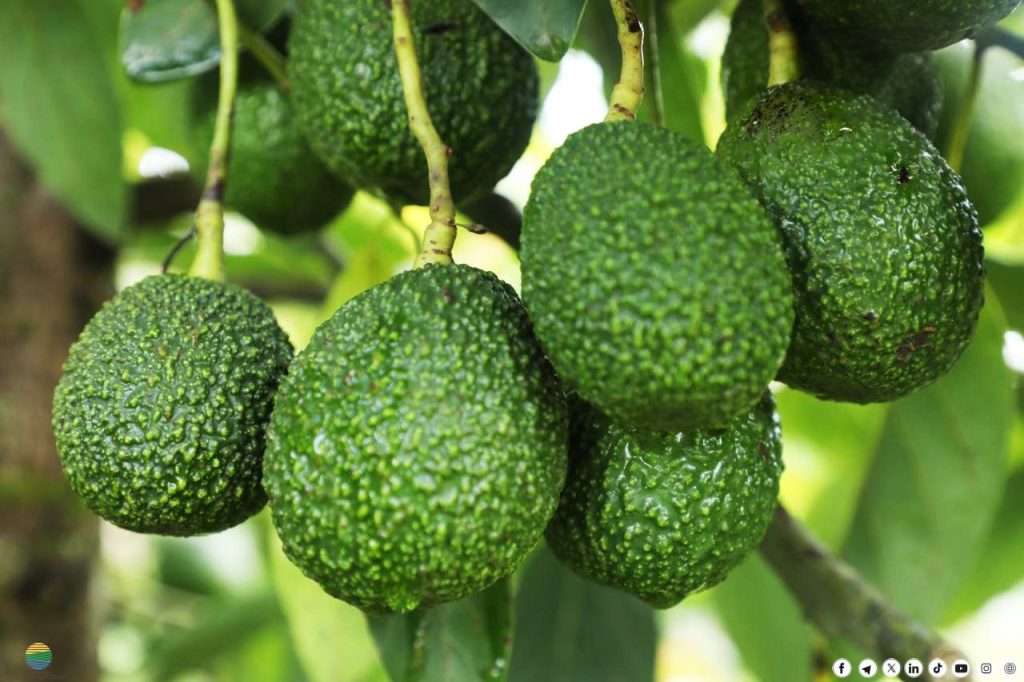
Smallholder farmers and commercial investors are expanding cultivation, primarily focusing on the export-competitive Hass avocado variety. Through collaborative initiatives involving government agencies and development partners, farmers are receiving improved nursery seedlings, technical training, and modern agricultural inputs to improve both fruit quality and total yields. These measures have enabled direct export access to premium European and Middle Eastern markets.

The expansion of avocado farming has spurred enterprise development across rural communities. Youth-led cooperatives and micro-enterprises are actively participating in seedling propagation, harvesting, post-harvest handling, and local processing—including crude and refined avocado oil production in regional industrial hubs.
Despite strong momentum, sector stakeholders note that persistent infrastructural challenges remain, particularly surrounding cold-chain logistics, inadequate cold storage facilities, limited direct market linkages, post-harvest losses, and localized plant diseases. Addressing these systemic bottlenecks through improved post-harvest management and modern farm management technologies is considered critical to sustaining long-term competitiveness.
To consolidate progress and scale production nationally, the Ethiopian government has launched a comprehensive 15-year National Avocado Development Program.
The master plan aims to turn Ethiopia into one of the world’s top avocado producers and exporters by expanding farmland, enhancing drip irrigation infrastructure, establishing regional processing hubs, and transitioning transportation logistics from traditional air cargo to cost-effective sea freight via the Modjo Dry Port and Djibouti railway corridor.



