By: Our Staff Reporter
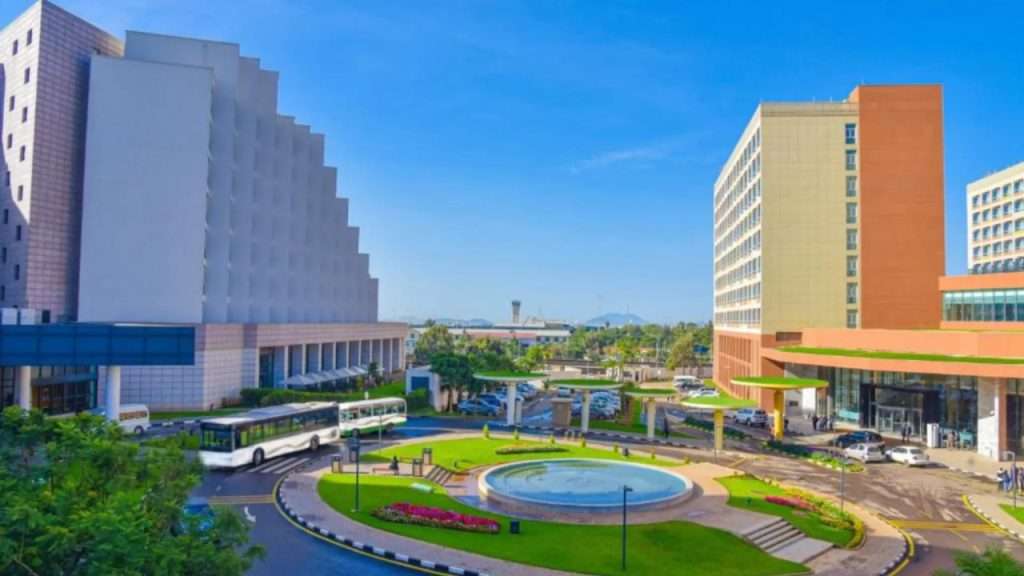
Ethiopia Today (Addis Ababa) October 16, 2026: Ethiopia is set to make history by hosting the 7th Emergency Medical Teams (EMT) Global Meeting 2026, becoming the first country in Africa and the first host in the World Health Organization African Region to welcome the flagship global gathering of the Emergency Medical Teams Network.
Organized by the Government of Ethiopia in partnership with the World Health Organization (WHO), the 7th Emergency Medical Teams (EMT) Global Meeting is from November 3–5, 2026, in Addis Ababa, and marks the first time Africa and the WHO African Region will host the flagship global gathering.
Under the theme “Strengthening Global Emergency Medical Response Together,” the flagship event will convene over 1,500 healthcare professionals, policymakers, researchers, and humanitarian partners from more than 140 countries.
Scheduled at the midpoint of the global EMT 2030 Strategy roadmap, the meeting features technical sessions, a classification ceremony for newly verified emergency teams, an exhibition of medical innovations, and the EMT Film Festival.
While official press statements highlight Ethiopia’s expanding leadership in global health security, emergency preparedness, and national surge capacity systems, the summit takes place against a backdrop of severe domestic political friction and a volatile military standoff in the country’s north. However, the optimistic official narrative omits critical realities, beginning with an escalating security crisis.
While confirming that the capital remains safe for international delegates, the WHO’s official event portal recently issued a specific security notice regarding Northern Ethiopia, highlighting the sharp contrast between Addis Ababa hosting a global emergency medical conference and the humanitarian strain currently facing conflict-affected areas near the Eritrean border and across Tigray.
Furthermore, despite official releases praising Ethiopia’s emergency response capabilities and national team verification, the local healthcare context tells a different story, as healthcare infrastructure in regions recovering from conflict continues to suffer from severe resource deficits, damaged facilities, and disrupted supply chains.
To navigate these issues and ensure delegate entry amid heightened regional security, the WHO and the Ethiopian Immigration and Citizenship Service have even had to establish specialized, direct visa arrangements that bypass standard immigration channels.
Strategically, hosting Africa’s first EMT Global Summit serves as a key diplomatic effort for the federal government to project stability, international alignment, and institutional capability, yet for international observers and humanitarian partners, the summit highlights a sharp dichotomy, a nation positioning itself as a leader in global health security while simultaneously navigating intense internal conflict and regional geopolitical friction.