By: Dawit Astatike
Addis Ababa (Ethiopia Today), July 31, 2026: Ethiopia has emerged as one of the primary countries of origin for victims lured into massive online scam networks across Southeast Asia, according to new warnings released by the International Organization for Migration (IOM).
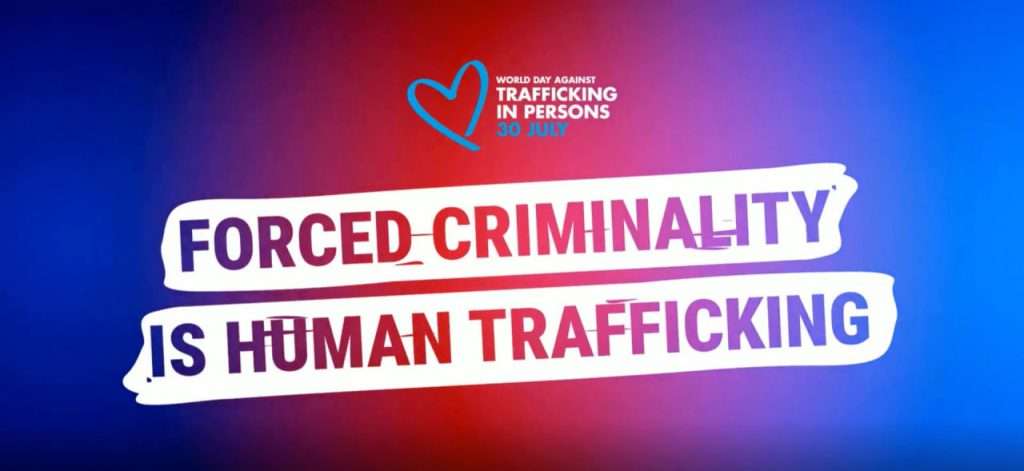
Under this year’s global theme, “Trapped Behind the Scam,” the UN migration agency highlighted a dangerous shift in human trafficking, where hundreds of thousands of people worldwide, including significant numbers of Ethiopian job seekers, are trafficked by transnational criminal syndicates and coerced into operating multibillion-dollar cyber-fraud rings.
Between 2022 and 2025, IOM provided direct protection and repatriation assistance to more than 3,500 victims of forced criminality across Southeast Asia spanning 39 nationalities, with Ethiopia listed among the top countries of origin alongside Indonesia, India, Sri Lanka, Kenya, and Bangladesh.
Victims are typically targeted through deceptive job advertisements promising lucrative employment opportunities abroad. However, upon arrival in destination countries, workers are stripped of their travel documents, confined inside guarded compounds under constant surveillance, and subjected to severe debt bondage, the report further stated.
Survivors report facing brutal conditions, including physical violence, torture, sexual abuse, starvation, and solitary confinement when forced to execute online scams targeting individuals globally.
“People trapped in scam compounds are victims of trafficking, forced to commit crimes through violence, threats and coercion. They deserve protection, not punishment,” said IOM Director General Amy Pope. “We must work together to support survivors, stop traffickers, and close the gaps these criminal networks exploit. No country can tackle this alone.”
The economic footprint of forced criminality is staggering. Fresh data from the United Nations Office on Drugs and Crime (UNODC) estimates that annual losses from scam operations across East Asia, Southeast Asia, Australia, and New Zealand reached between USD 88.3 billion and USD 114.1 billion in 2025 alone.
To tackle the expanding crisis beyond Asia, IOM has unveiled its Regional Strategic Response to Trafficking in Persons for Forced Criminality in Asia and the Pacific (2026–2030). This strategy establishes a comprehensive framework prioritizing victim protection and identification to ensure survivors are not criminally prosecuted for acts committed under coercion.
Additionally, it focuses on safe return and reintegration by assisting returnees with trauma counseling, legal aid, document recovery, and economic support, while simultaneously strengthening cross-border law enforcement coordination and raising public awareness to educate vulnerable youth on the deceptive recruitment tactics used by cybercrime syndicates.
With rescue representing only the initial phase of recovery, IOM calls on governments and civil society partners to bolster support systems, ensuring Ethiopian returnees can safely rebuild their lives free from stigma and debt bondage.