By: Our Staff Reporter
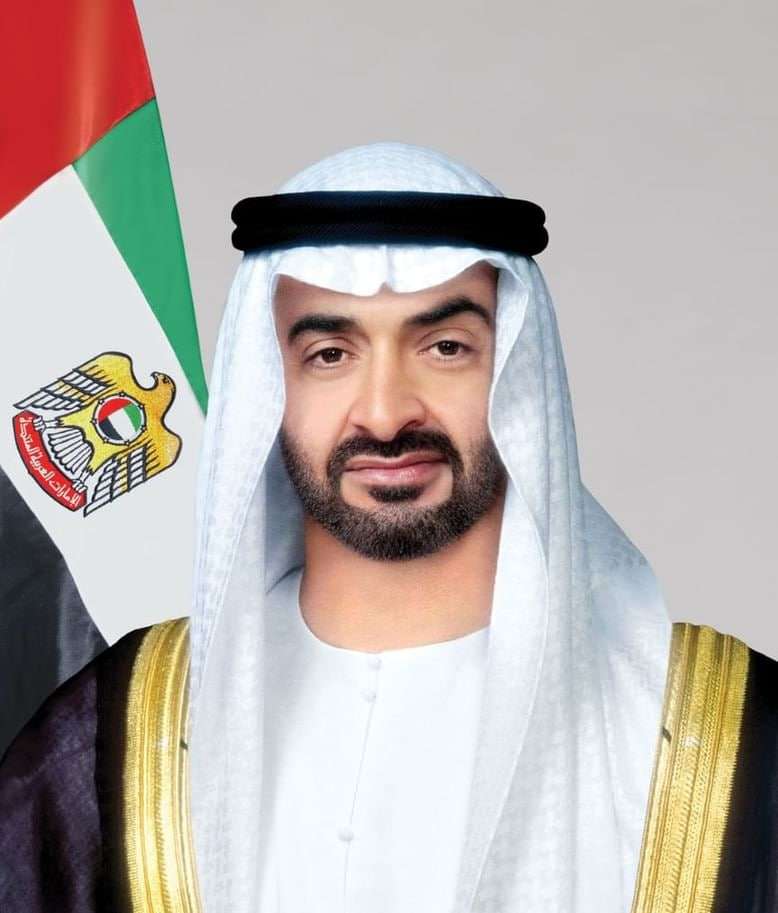
Addis Ababa (Ethiopia Today) June 16, 2026: Under the direct intervention of President Sheikh Mohamed bin Zayed Al Nahyan, the United Arab Emirates has deployed significant emergency support to reinforce the World Health Organization’s (WHO) strained frontline operations against a dangerous Ebola flare-up on the African continent.
Dispatched through the specialized UAE Aid Agency, the intervention lands at a critical moment as global health authorities struggle to keep the highly infectious pathogen from spiraling out of control.
The strategic move comes in immediate response to alarming technical briefs tracking the cross-border transmission of the highly aggressive Bundibugyo Ebola virus strain. Speaking on the deployment, Sheikh Shakhbout bin Nahyan Al Nahyan, UAE Minister of State, strongly affirmed that the Emirates views containment not just as a humanitarian mission but as an absolute global responsibility.
“The UAE is determined to extend its support in combating diseases and epidemics that threaten humanity anywhere, in coordination with governments, international organizations, and relevant regional institutions,” Sheikh Shakhbout explained.
He noted that the virulence of the Bundibugyo strain demands an aggressive doubling of international containment measures to safely isolate transmission vectors across different age groups in Africa.
The operational reality on the ground remains incredibly precarious.
WHO Director-General Dr. Tedros Adhanom Ghebreyesus recently issued a stark global warning, revealing that the active Ebola outbreak in the Democratic Republic of Congo (DRC) remains dangerously uncontained. Dr. Tedros highlighted a bottleneck of ground-level bottlenecks, notably severe friction in isolating infected patients and tracking down secondary and tertiary contacts.
According to strict epidemiologic modeling, teams on the ground must achieve an absolute 90% isolation threshold of all active contacts to completely break the chain of contagion and halt the spread.
To meet this critical containment threshold, the UAE’s multi-layered emergency package bypasses standard supply backlogs by feeding directly into localized treatment centers through an operational blueprint focused on three immediate pillars.
The strategy prioritizes mass vaccine logistics by rapidly procuring and deploying approved vaccines directly to high-exposure zones where transmission risks are most severe.
It also accelerates the dispatch of frontline medical supplies, including specialized medications and vital clinical protective equipment, to stabilize isolated patients and shield healthcare workers from infection.
The framework further ensures comprehensive clinical center integration by actively collaborating with international and local health boards to rapidly scale up treatment capacities and strengthen infrastructure within designated isolation hubs.
By bridging the current funding and supply gaps plaguing the WHO’s regional response, the UAE Aid Agency’s deployment provides a vital lifeline to local healthcare systems attempting to build an ironclad perimeter around the Bundibugyo strain before it compromises wider regional borders.