
By: Our Staff Reporter
Ethiopia Today (Addis Ababa) May 28, 2026: Ethiopia has launched an aggressive diplomatic push for a massive, structural overhaul in how international donors fund African agriculture, demanding that rural transformation be treated as a hard-nosed macroeconomic investment rather than a charitable social expenditure.
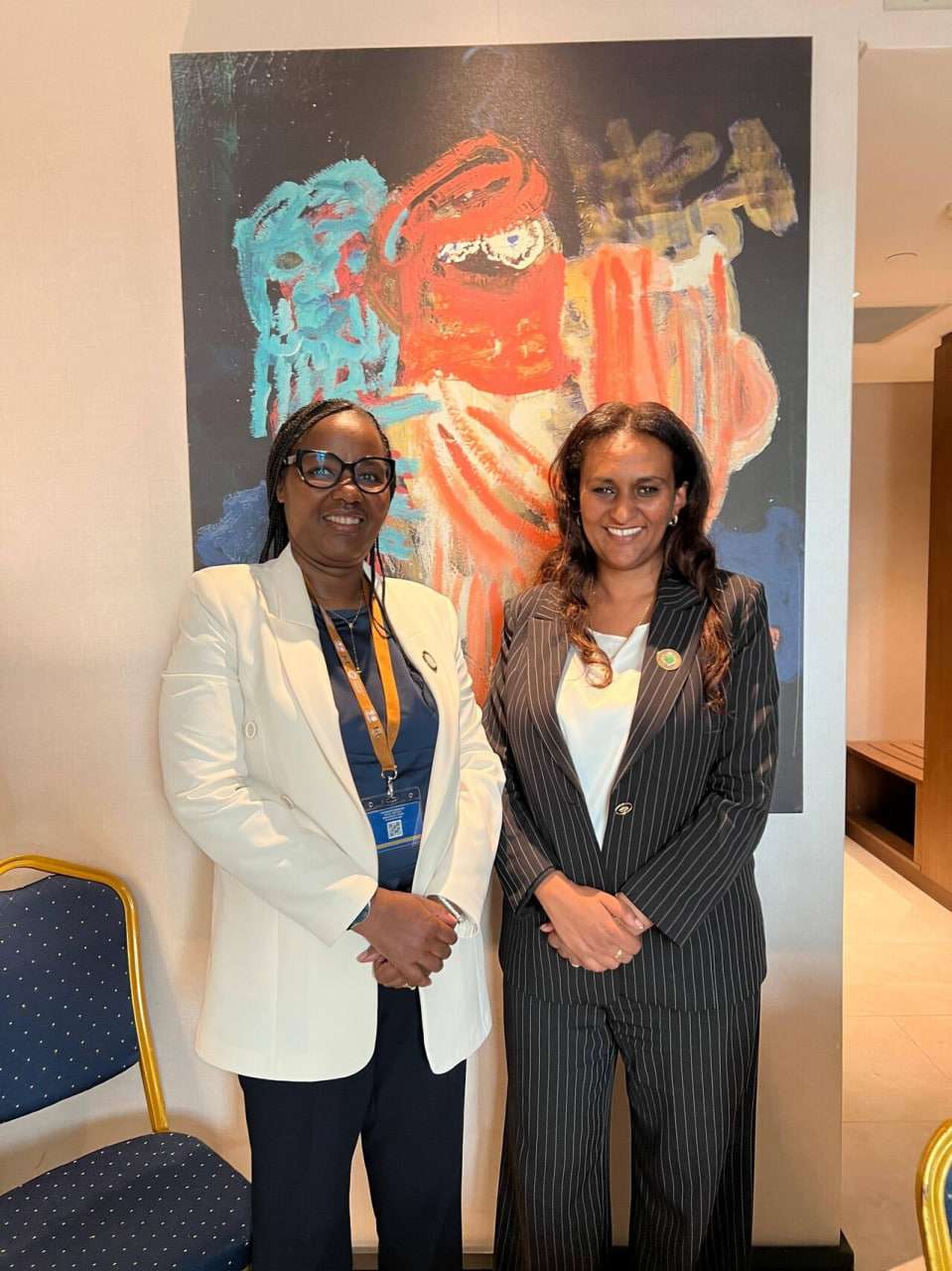
Speaking at the high-profile International Fund for Agricultural Development (IFAD14) roundtable meeting, State Minister for Finance Semereta Sewasew warned that skyrocketing global borrowing costs combined with unrelenting climate shocks are pushing African economies to the brink. She argued that the only viable shield against this economic turbulence is the aggressive mobilization of rural economies, which still serve as the continent’s largest employment engine for women and youth.
Ethiopia is not just theorizing; it is using its own massive partnership with IFAD—featuring an active portfolio valued at $900 million that has directly impacted 13 million lives—as the gold standard for continental scaling.
Sewasew showcased a series of high-impact, field-tested initiatives driving this domestic overhaul, emphasizing that a multi-pronged approach is essential for long-term success.
On the environmental front, the Participatory Agriculture and Climate Transformation (PACT) and the Lowlands Livelihood Resilience Project II (LLRP II) are actively transitioning smallholders into sustainable, climate-insulated practices. To secure the necessary financial backing, the government is utilizing the Rural Financial Intermediation Programme III (RUFIP III) to lay the groundwork for a sophisticated credit guarantee facility engineered specifically to de-risk rural markets and attract private commercial capital. Looking down the barrel of future shocks, Ethiopia is also deploying the Climate Resilient Irrigation for Sustainable Production (CRISP) framework alongside the National Agriculture Finance Implementation Roadmap (NAFIR) to ensure international aid perfectly aligns with national economic priorities and remains completely sustainable.
The call for systemic reform found a powerful ally in Christian Yoka, Minister of Finance for the Republic of Congo. Yoka fiercely championed a mandate for absolute African ownership over local development priorities, calling for aggressive financial partnerships that can swiftly pivot to protect food security and long-term economic sovereignty.
Both Yoka and senior IFAD leadership agreed that global financial architecture must prioritize funding what they termed the “first mile”—the immediate infrastructure, high-yield inputs, and localized irrigation networks necessary to unlock raw rural productivity.
A critical highlight of the summit was Africa’s strong endorsement of IFAD’s proposed Emergency Agricultural Input Access Facility. Designed as a rapid-response economic shock absorber, the facility is built to cut through bureaucratic red tape and guarantee that essential inputs reach smallholder farmers the moment external global supply chains fracture.
As the roundtable drew to a close, delegates issued a unified ultimatum ahead of the upcoming IFAD14 replenishment window: global financial institutions must scale up these proven investment models now, or risk leaving the entire continent exposed to the next wave of inevitable economic and environmental shocks.



