
By: Our Staff Reporter
Ethiopia Today (Addis Ababa) May 21, 2026: Ethiopia has warned that the worsening crisis in Iran and escalating shipping disruptions around the Strait of Hormuz are placing unprecedented pressure on global fuel and fertilizer markets, directly threatening food security in import-dependent developing economies.
Speaking at a high-level session during the Global Partnerships Conference in London, Ethiopia’s Finance Minister Ahmed Shide stated that surging global fuel prices and volatile fertilizer supply chains are creating severe obstacles for agricultural production just as vital regional planting seasons begin.
The finance minister explained that spike in global oil prices is driving up the cost of transportation, irrigation, farm mechanization, agro-processing, and food distribution, while simultaneously placing immense strain on Ethiopia’s trade balance.
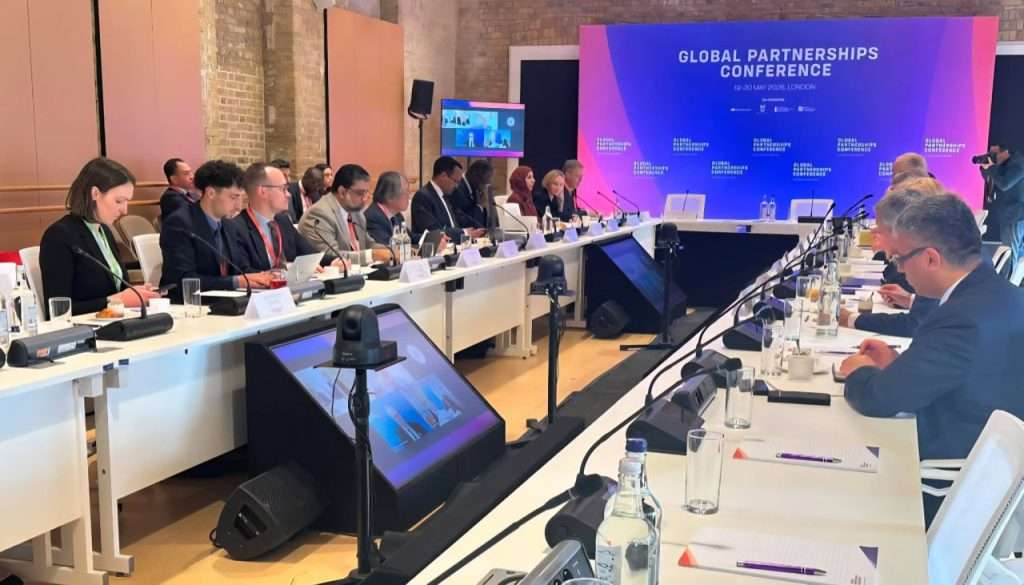
Ahmed Shide further highlighted that acute fertilizer shortages and delayed deliveries are now being exacerbated by maritime shipping backlogs, skyrocketing insurance premiums, and systemic uncertainty across global commodity markets.
According to the Ethiopian delegation, the combination of reduced fertilizer availability and inflated cultivation costs risks severely lowering agricultural productivity, weakening rural livelihoods, and intensifying food insecurity.
The government warned that these compounding shocks are particularly dangerous for vulnerable nations already grappling with severe climate shocks, heavy debt distress, inflationary pressures, and ongoing humanitarian challenges, threatening to completely undermine recent development gains.
In response to the growing geopolitical fallout, Ethiopia issued a formal call for stronger international solidarity and immediate, coordinated global action. The country urged development partners and international financial institutions to rapidly deploy emergency financing mechanisms specifically for fuel and fertilizer imports, scale up concessional support, and provide targeted assistance to cushion smallholder farmers.
Additionally, the Minister emphasized that navigating the current crisis requires urgent, long-term investments in regional supply chains, strategic storage facilities, streamlined logistics, and the building of robust domestic resilience.
The high-level discussions unfolded at the prestigious Global Partnerships Conference in London, an international summit that has convened prominent policymakers, global development institutions, and international partners.
The ongoing forum remains heavily focused on tackling sustainable development and economic resilience, with an increasingly urgent spotlight on how escalating global conflicts are destabilizing international food systems and energy security.