
By: Dawit Astatike
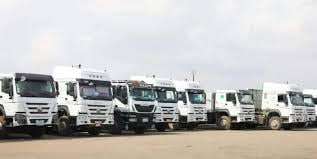
Ethiopia Today (Addis Ababa) April 28, 2026: Hundreds of Ethiopian fuel tanker drivers are currently trapped in a dire humanitarian and economic crisis, reporting that they remain stranded in the Djibouti desert for months without being able to load fuel.
What began as a logistical delay has spiraled into a severe emergency, with drivers at various holding points, including the Dire Dawa junction, describing a harrowing ordeal where they face extreme heat and critical shortages of necessities.
The human toll is mounting as drivers with chronic conditions like diabetes and hypertension struggle to survive without proper care, while others are forced to pay up to 300 ETB for just two liters of water.
Despite being sent to the border with the promise of cargo, these drivers find themselves stuck in a cycle of hunger and exhaustion, unable to abandon their vehicles yet unable to secure a load.
Many argue that the roots of this bottleneck run deeper than global supply shifts, alleging a total lack of transparency and communication from the Petroleum and Energy Authority.
This “desert deadlock” has triggered a catastrophic ripple effect across Ethiopia, fueling a rampant black market where 30 liters of diesel can cost as much as 27,000 ETB.
As some drivers are forced to abandon their trucks due to illness and financial ruin, the transport sector faces a potential collapse, prompting urgent calls for the government to overhaul the quota system and provide immediate relief to those stranded.



