

By: Dawit Astatike
Ethiopia Today (Addis Ababa), April 16, 2026: In a major win for East African climate diplomacy, Nairobi has been officially selected to host the regional hub for the Green Climate Fund (GCF).
The decision, finalized during the GCF’s 44th board meeting in South Korea, positions Kenya’s capital as the strategic nerve center for climate finance across East and Southern Africa.
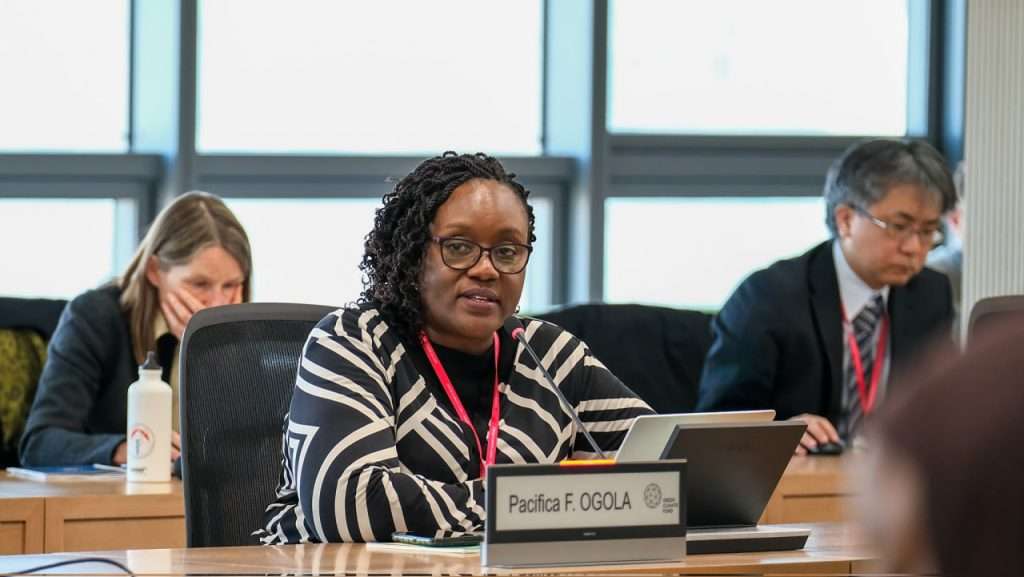
This move is part of a broader $960 million funding push and a decentralization strategy aimed at slashing bureaucratic red tape and putting technical expertise closer to African project sites.
The regional office is expected to transform how climate-resilient infrastructure is funded and managed.
By moving decision-making from Songdo to Nairobi, the GCF aims to accelerate the delivery of nearly $1 billion in newly approved projects, with Africa receiving a lion’s share of 46% ($441 million).
A cornerstone of this allocation is a massive $250 million resilient energy program, developed alongside the World Bank, which seeks to provide stable electricity to underserved communities across 21 nations. This is particularly vital for a continent where 600 million people still lack reliable power, a deficit frequently worsened by climate-induced droughts and floods.
Beyond environmental goals, the establishment of the Nairobi hub reinforces the city’s status as Africa’s premier institutional and financial gateway.
By embedding program managers within the region, the Fund expects to improve coordination with national ministries and the private sector, addressing historical bottlenecks that have delayed project implementation for years.
As African economies face rising costs from climate disasters, this shift toward “direct access” and regional oversight is considered a critical economic stabilization strategy, ensuring that vital investments in irrigation, transport, and energy reach the ground faster and more efficiently.



