
By: Dawit Astatike
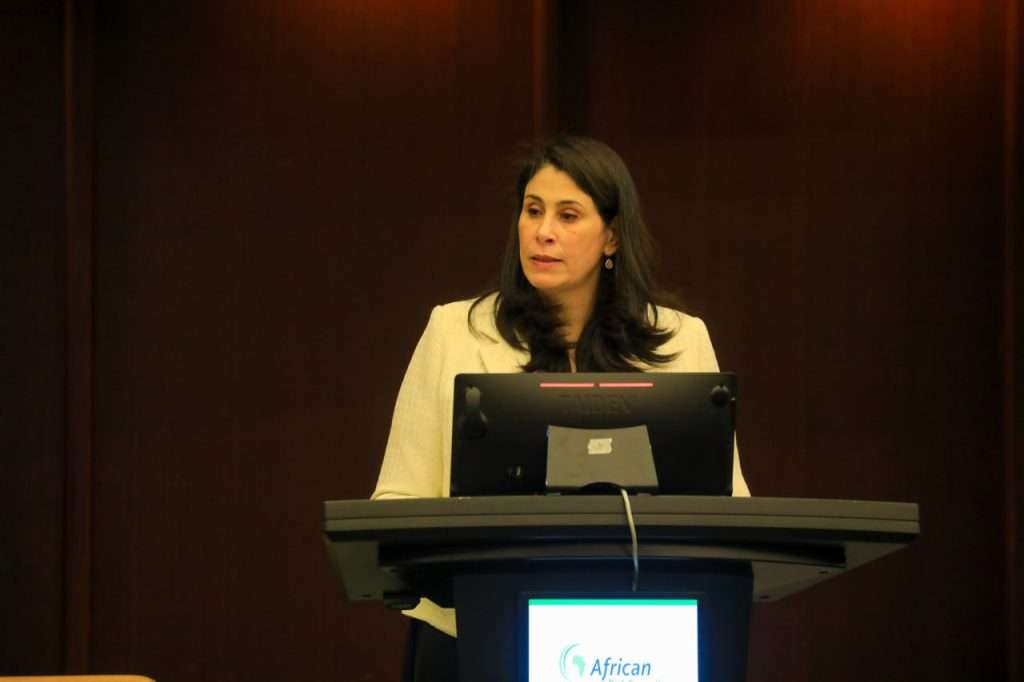
Ethiopia Today (Addis Ababa) April 12,2026: Ambassador Selma Malik Haddadi, Deputy Chairperson of the African Union Commission, has called on African nations to bolster their cooperation through continental financial institutions to eliminate external dependency and address homegrown challenges.
The call was made during the 16th African Risk Capacity (ARC) Continental Conference, currently being held at the United Nations Economic Commission for Africa (UNECA) in Addis Ababa under the theme, “Collaborating for Sovereignty.”
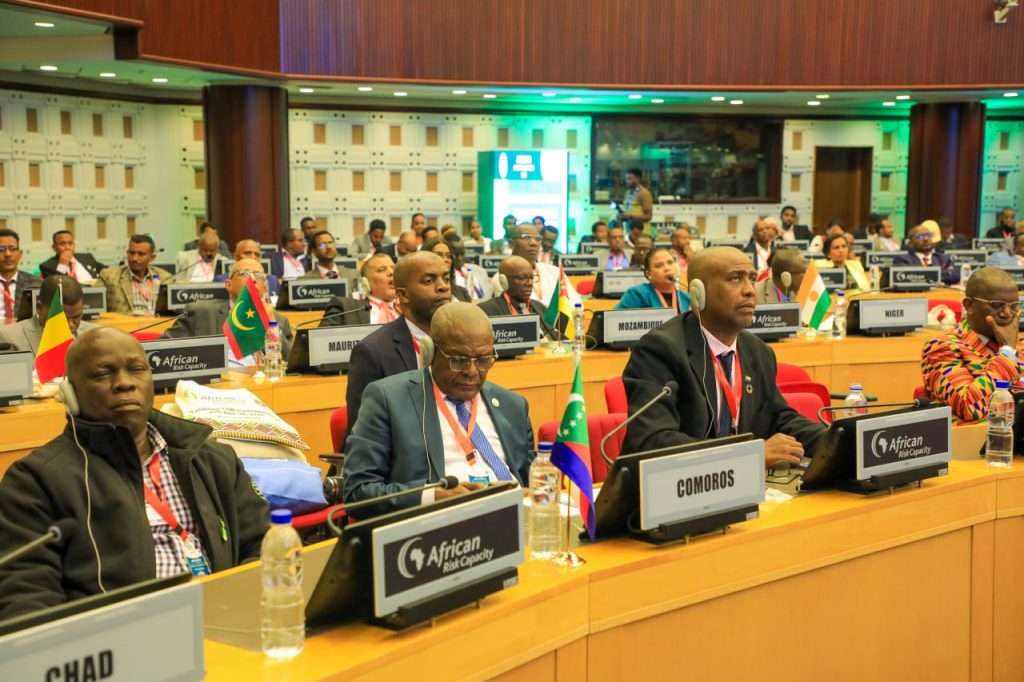
The conference brings together member states, observers, and key stakeholders to strengthen Africa’s collective capacity for disaster risk management and financial resilience. Central to the discussions is the search for Africa-led solutions to combat the impacts of climate change, respond to natural disasters, and ensure food sovereignty across the continent.
Ambassador Haddadi emphasized that the socio-economic and ecological shifts triggered by climate change in Africa are urgent and demand immediate action. While Africa contributes less than 4% of global greenhouse gas emissions, the continent is losing roughly 5% of its Gross Domestic Product (GDP) due to climate-related impacts.
The Deputy Chairperson urged member states to work closely with specialized bodies like the African Risk Capacity (ARC) to build a sustainable, technology-driven financial system.
Ambassador Haddadi argued that “continental problems require continental solutions,” asserting that African financial institutions must prioritize the needs of the region above all else. She noted that moving from individual state actions to a unified, practical partnership is the only way to break the cycle of dependency on foreign aid and finance.
“Africa must not remain dependent on external financing,” Haddadi stated. “To solve our problems sustainably, we must prioritize indigenous knowledge, local technology, and inclusive financial frameworks.”
The Ambassador further highlighted that long-term solutions are only possible through total inclusivity. She stressed that climate response strategies must actively involve Women, Persons with disabilities and all segments of the community.
By integrating these groups, the continent can ensure that its disaster risk financing is not only effective but also equitable.
The African Risk Capacity (ARC) was established by the African Union in 2012 as a specialized agency to help member states improve their capacities to plan, prepare, and respond to extreme weather events and natural disasters through innovative risk pooling and sovereign insurance.



