
By: Dawit Astatike
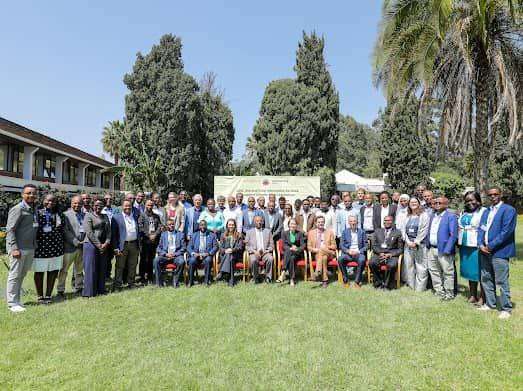
Ethiopia Today (Addis Ababa) October 28, 2025. The project “Land, Soil and Crop Information Services to support Climate-Smart Agriculture in Eastern Africa” held an event in Addis Ababa to present the key results and lessons learned from its four years of implementation in Ethiopia, Kenya, and Rwanda.
Co-funded by the European Union’s Development Smart Innovation through Research in Agriculture (DeSIRA) program, the Netherlands Ministry of Foreign Affairs, and ISRIC, the project has been active since 2021 in Ethiopia, Kenya, and Rwanda.
The initiative focused on strengthening national agricultural knowledge and innovation systems by developing sustainable Land, Soil, and Crop Information Hubs (LSC Hubs) within national research organisations. These hubs consolidate and connect existing datasets and information sources, offering open-access tools and data to support evidence-based agricultural decision-making.
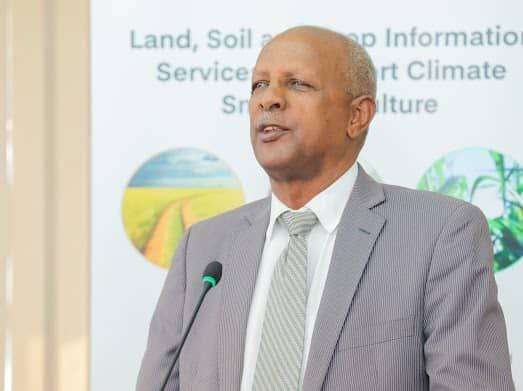
“The partnerships we have built, the innovations that we have introduced and the knowledge we have shared are environments that must continue to thrive. I would like to thank all funders and our domestic Partners. “, said Dr. Abera Deresa, chairman of EIAR board of Directors.
A five-year initiative has successfully built and embedded data integration hubs for land, soil, and crop information within three national agricultural research organizations – Ethiopian Institute of Agricultural Research (EIAR), Kenya Agricultural & Livestock Research Organization (KALRO) and Rwanda Agriculture and Animal Resources Development Board (RAB) across three partner countries.
The project achieved key outcomes such as Hub Establishment, Deployed integrated Land Soil Crop information Hubs to centralize and standardize fragmented research data, Capacity strength: Provided specialized training, fully equipping local staff to independently manage and sustain these sophisticated data platforms and oj which Engaged and trained end-users, including local farmers, to apply the data for adopting climatesmart agriculture (CSA) and improving sustainable land management.
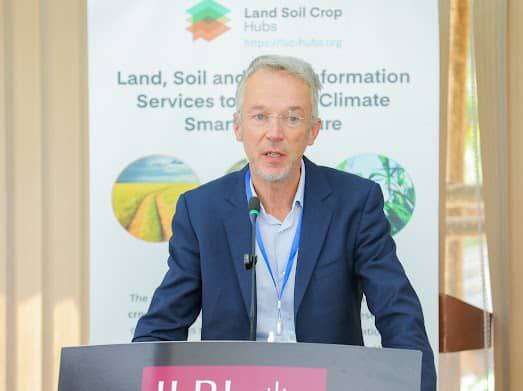
“The complete ownership of the technical and organizational results now held by the national research institutes. In Ethiopia, the future of these data systems is fully secure with the Ethiopian Institute of Agricultural Research,” said André Kooiman, Senior Sustainable Land Management Expert, ISRIC.
“The hub is tailored to the needs of stakeholders, policy makers, extension officers, and farmers,” said The LSC Hubs are designed to serve agricultural stakeholders at national, regional, and local level by providing integrated information to support climatesmart agricultural practices, promote rural transformation,and strengthen food system resilience.
The project is implemented by a consortium led by Wageningen University & Research (WUR), in collaboration with ISRIC, International Livestock Research Institute (ILRI), Kenya Agriculture and Livestock Research Organisation (KALRO), Ethiopian Institute of Agricultural Research (EIAR), Rwanda Agriculture and Animal Resources Development Board (RAB), World Agroforestry (ICRAF), International Union for Conservation of Nature (IUCN), and the German Aerospace Center (DLR).



