
By: Dawit Astatike
Ethiopia Today (Addis Ababa), Ababa)June 16, 2025: The African Evaluation Association (AfrEA) is commemorating its 25th anniversary, marking a quarter-century of advancing Africa-rooted evaluation methodologies and amplifying the continent’s voice in global development discourse.
Founded in 1999, AfrEA has grown into a leading evaluation network, supporting 40 African countries and representing over 3,000 members. The Association is committed to ensuring that evaluation practices are contextualized and tailored to Africa’s unique realities.
Under the theme “Celebrating 25 Years of Excellence in Africa-Rooted Evaluation: Building a Stronger Future Together,” the silver jubilee event is co-hosted by the Ethiopian Evaluation Association (EEvA) and Ethiopia’s Ministry of Planning and Development (MoPD).
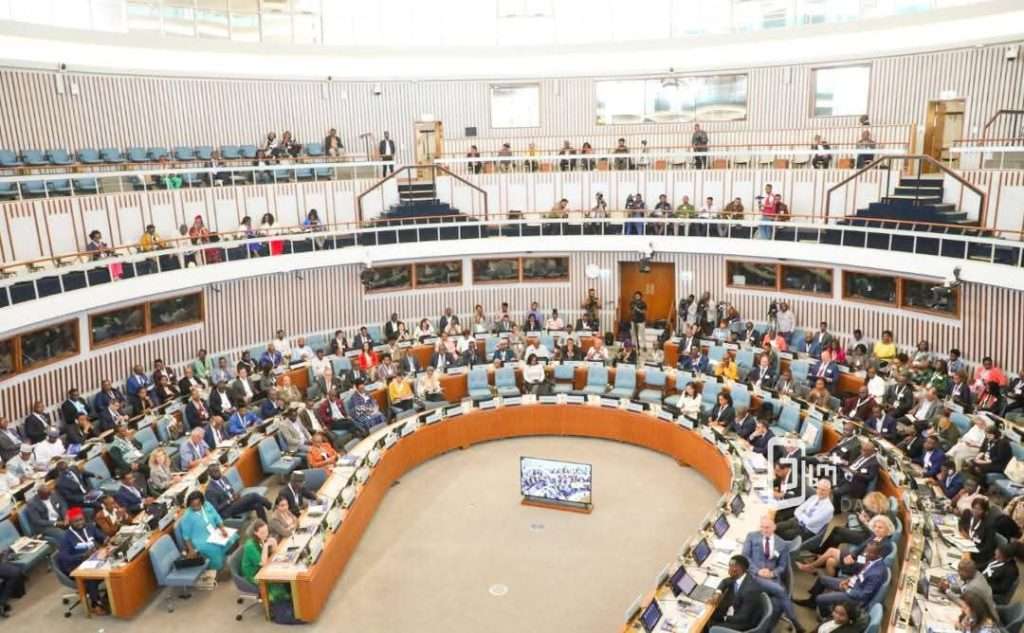
The event has brought together over 300 policymakers, evaluators, and development leaders to reflect on AfrEA’s transformative impact in fostering evidence-based decision-making across Africa.
Speaking at the event, Ethiopia’s Minister of Planning and Development, Fitsum Assefa (PhD), highlighted the critical role of evaluation in achieving Agenda 2063.
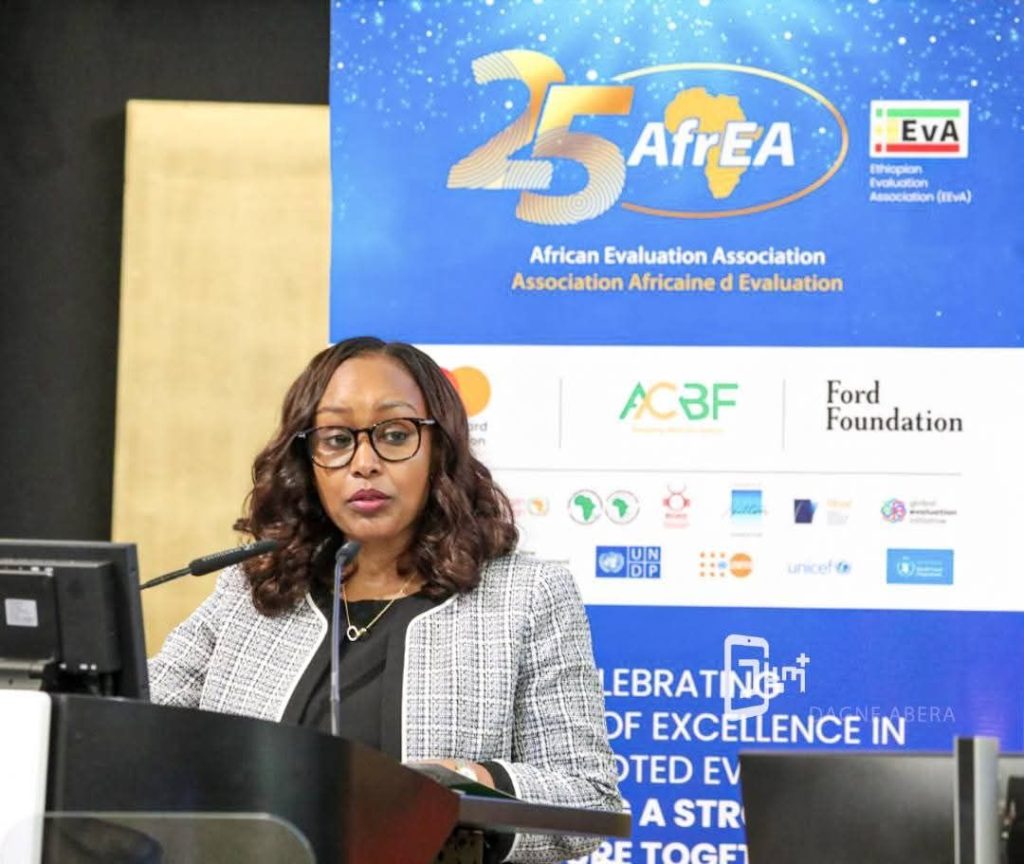
She noted that the MoPD has made significant strides in embedding evaluation within Ethiopia’s national planning framework, including the development of a national evaluation policy to guide evaluation practices and ensure accountability.
“Evaluation is not just a technical exercise but a democratic imperative—one that amplifies citizen voices, promotes inclusion, and enhances service delivery,” she said. “AfrEA’s 25th anniversary is an opportunity to renew our commitment to a robust, Africa-led evaluation ecosystem.”
AfrEA President Miche Ouedraogo emphasized the need for evaluations to align with Africa’s development priorities, advocating for digitally empowered, locally driven approaches.
Since its founding in 1999, AfrEA has grown into a continental leader, supporting 40 national evaluation associations and over 3,000 members while nurturing young professionals through mentorship and research initiatives like the African Evaluation Journal and biennial conferences.
Through strategic partnerships with global institutions, AfrEA has strengthened Africa’s influence in shaping evaluation standards, ensuring they remain contextually relevant, locally owned, and globally respected.
As AfrEA looks to the future, it remains dedicated to xpanding homegrown evaluation methodologies tailored to Africa’s unique needs.
AfrEA has fostered collaboration among evaluators, policymakers, and development practitioners, becoming a central figure in Africa’s evaluation movement. Its biennial conferences promote African-based methodologies and amplify African voices in shaping global evaluation standards.



