By- Dawiit Astatike
Addis Ababa (Ethiopia Today) November 28, 2024 “Malaria this year has been deadly to so many people,” says Aisha, mother of 3 children from Harari region of Ethiopia. Aisha came with two of her children to a mobile clinic run by Médecins Sans Frontières/Doctors Without Borders (MSF) in Oromia. “Luckily enough, we found MSF’s support.” where they were diagnosed and received malaria medication.
As malaria cases in Ethiopia this year surge to unprecedented levels, MSF teams are responding in two
of the most hard-hit regions, Oromia and Gambella. Working alongside the Ministry of Health, MSF’s
efforts are focused on preventing, treating and controlling the mosquito-borne disease among the
regions’ most vulnerable communities, including refugees and internally displaced people
More than 7.3 million 1 malaria cases were reported so far this year, according to the World Health Organization.
Organization, compared to 4.1 million in 2023, making Ethiopia one of the highest burden countries in
East Africa. The cases are an added challenge to the country’s healthcare system, grappling with
previous and ongoing conflict.
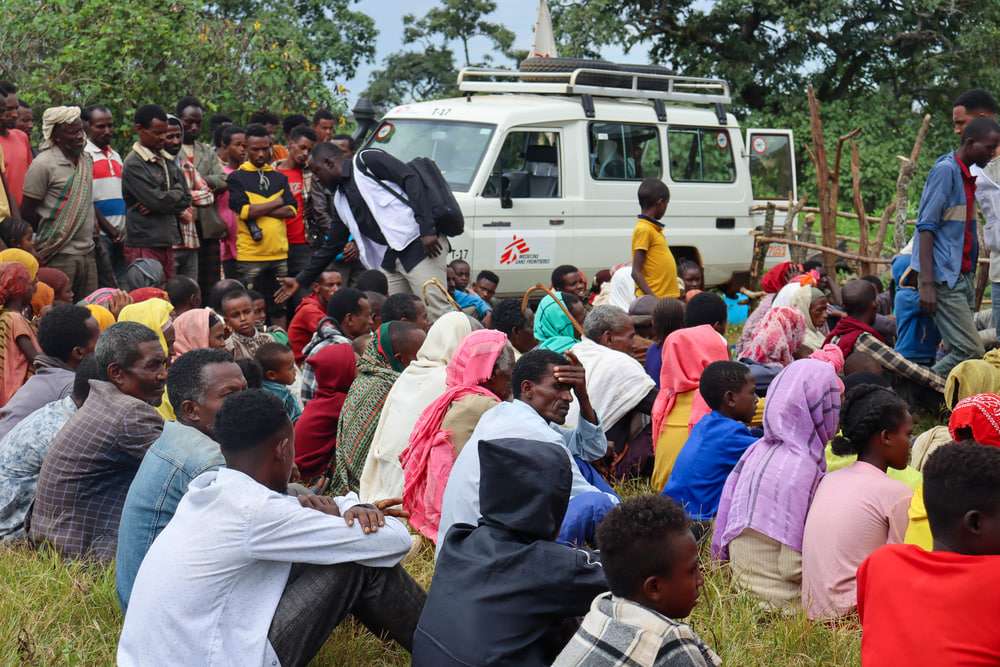
“The healthcare system has been stretched to its limits, especially with the high number of refugees and
displaced people residing in the country,” says MSF head of mission Jocelyn Yapi.
Oromia region
In Oromia region, years of insecurity and limited access to healthcare have left people increasingly
vulnerable to malaria. The region accounts for 48.5%of all current malaria cases countrywide.
with numbers of malaria patients increasing fivefold between August 2023 and August 2024.
MSF with collaboration with the Ministry of Health in Oromia launched its emergency response in July
2024, setting up dedicated malaria wards at Nekemte specialised hospital in East Wollega and Nejo
general hospital in West Wollega, where its teams treat around 750 people per week.
“My daughter was in a serious condition,” says Damaya, who came to MSF malaria ward with her
daughter, Martiket who was seriously ill with malaria. “She was admitted to the emergency room and
then transferred to the ward. The treatment improved her health, and I am so grateful for the care we
received.” Damaya also attended health awareness sessions and was given bed nets to protect her
family from the bites of anopheles mosquitoes, which spread the disease, and which are usually active
at night. “Before, we didn’t use mosquito nets, but after attending MSF’s awareness sessions, I now see
how they can help keep us safe, and now I use nets for my children every night,” she says.
With many people in Oromia living in remote areas far from the nearest health centre, MSF has also
sent mobile clinics and health promotion teams to reach these communities. They have provided quality
healthcare and distributed thousands of mosquito nets to help protect people from the disease.
Gambella region
In Kule refugee camp in Gambella region, home to more than 50,000 refugees reside, malaria cases have
surged by 150 per cent in 2024 compared to the previous year.
“The situation is alarming,” says MSF deputy medical coordinator George Mapiye. “Our team are seeing
highest numbers of malaria infections reported in the last five years and we’re working tirelessly to
provide the necessary care and help put in place preventive measures, and treatment, including
vaccinating children against the disease.
MSF, in Kule health center alone, has diagnosed and treated more than 36,000 malaria patients since
the beginning of 2024. In collaboration with local authorities, and other actors MSF has implemented
environmental and control measures including indoor residual spraying, reaching more than 80% of
households in the camp targeted. MSF Launched ‘intermittent preventative treatment in children’ (IPTc)
prior to the peak of the malaria season. Our teams are administering the newly WHO-approved R21
malaria vaccine to children under five. So far MSF teams have given three doses of the R21 vaccine to
2,750 children, with a fourth dose due to be administered after 12 months.
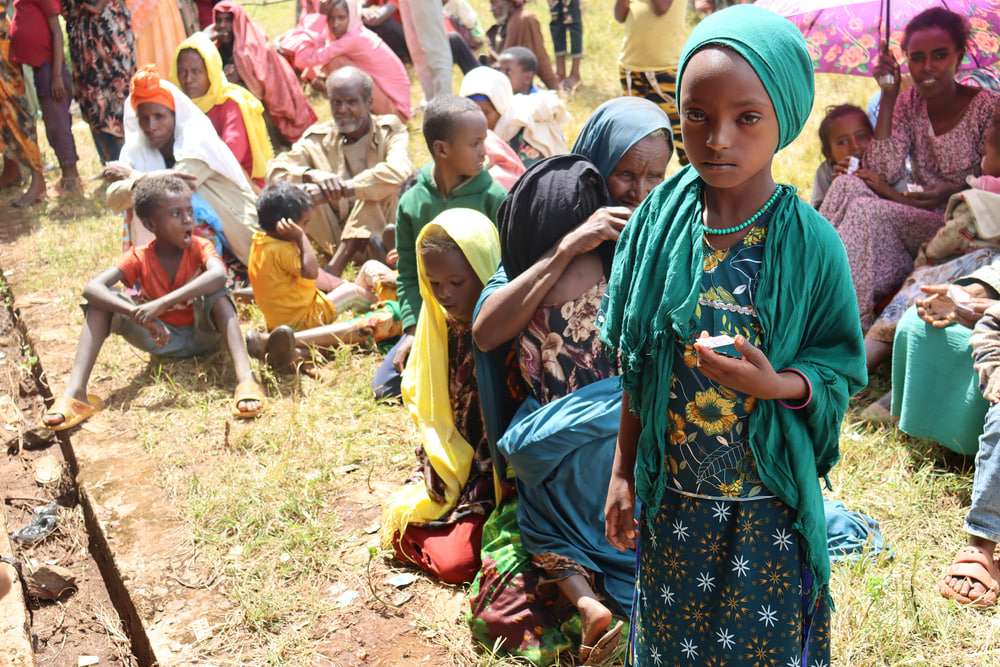
MSF calls for an urgent and targeted response to control the ongoing malaria epidemic in
Ethiopia, while maintaining progress towards the global malaria targets for 2025 and 2030. With
malaria cases in the country surging to unprecedented levels, MSF stresses the importance of
using a multi-pronged approach that includes case management, malaria prophylaxis, vaccines,
and vector control measures. In light of the varying seasonality, regional crises, and population
movements, it is also critical to prioritize response preparedness in high-risk areas and among
vulnerable populations for maximum impact.