By: Dawit Astatike
Ethiopia Today (Addis Ababa) November 24, 2026: Health sector leaders and the media have been called upon to advocate for the swift ratification and enforcement of a draft proclamation regulating unhealthy food consumption, aimed at curbing the rising burden of non-communicable diseases (NCDs) in Ethiopia.
The call was made during a consultative workshop jointly organized in Addis Ababa by the Consortium of Reproductive Health Associations (CORHA), Mathiwos Wondu-YeEthiopia Cancer Society, and Global Health Advocacy Incubator (GHAI).
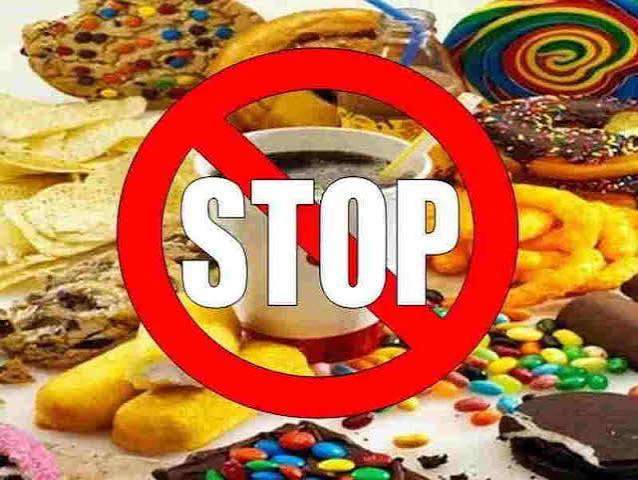
According to data presented at the forum, diet-related chronic conditions, including heart disease, cancer, hypertension, and diabetes, are placing a growing strain on public health. Studies indicate a sharp rise in the consumption of industrially processed foods, particularly among children in urban areas.
World Health Organization (WHO) data further underscores the urgency, showing that NCDs account for approximately 38 percent of all deaths in Ethiopia.
To reverse this trend, the proposed legislation introduces sweeping public health measures, including mandating clear front-of-pack warning labels on processed foods, eliminating harmful industrial additives, restricting targeted advertising aimed at children and adolescents, and enforcing healthier food standards within public institutions.
Participants from local and international health organizations emphasized that beyond severe health risks, chronic illnesses impose a heavy economic toll on families and the healthcare system through long-term treatment, medication, and diagnostic costs.
Key concerns raised included the lack of transparent labeling regarding sugar, salt, and fat content in factory-produced goods, alongside aggressive youth marketing. Stakeholders noted that while public awareness is vital, it must be backed by a robust legal framework, strict regulatory enforcement, and policies that make nutritious food affordable.
Media outlets were specifically urged to lead in educating the public on healthy nutrition, reporting accurately on food contents, and championing the draft law’s ratification to shield children from harmful food marketing.